
Best Made in Japan Eyewear Brands - Part 1
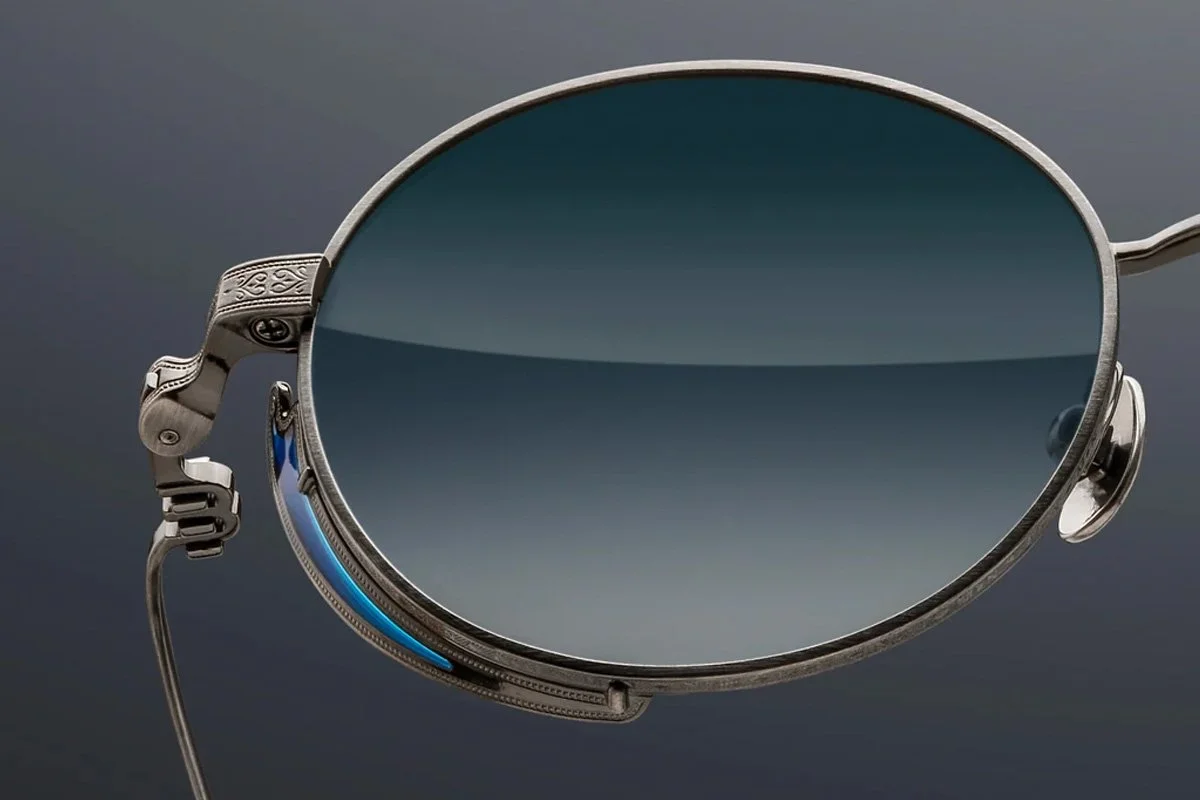
Close-up of the titanium finishing on a Matsuda frame
Glasses are one of the most dominant and personal accessories we wear. Unlike a watch, or a pair of shoes, they become part of our face. They are often one of the first things people notice about us, and they can completely change the way we look and the impression we make. And they usually say a lot about someones personality. Classic acetate frames, understated titanum frame, maybe even a gold frame, or something in between, your choice of eyewear is often a reflection of your personal style more than almost any other accessory.
But not all glasses are made equal. Just because a pair costs €600 or has a logo of the luxury brand it doesn't necessarily mean it's good quality. Today the majority of luxury eyewear is made by a few large companies, like Luxottica, Safilo, and Kering, which produce frames for most fashion brands. While there are exceptions, most eyewear produced by fashion and luxury brands today is made on a large industrial scale by a few companies like Luxottica, using similar factories, materials, and production methods. As a result, the price often reflects the brand name on the frame, not the quality, as many of these frames are made from injection-moulded plastic rather than higher-quality cellulose acetate, which is denser, more durable, and can be hand polished to achieve a much richer finish. Unlike standard plastic, quality acetate also develops a more beautiful character over time and is much easier to repair and maintain.
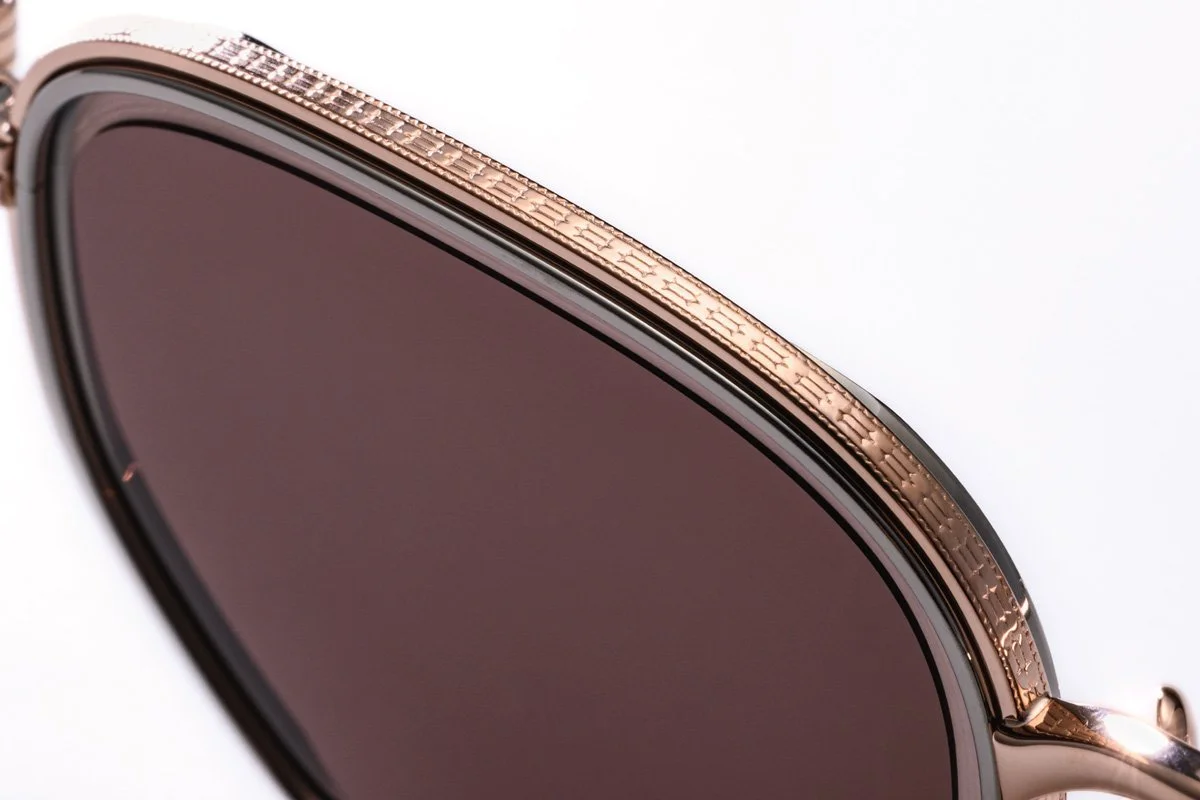
Details on the KameManNen frame
Even with all that in mind, when it comes to eyewear, the quality of the frame should never be your top priority. The most important factors are still the shape and size, because these determin how well the glasses fit your face. Even the finest Japanese-made frames won't look good if they don't fit you properly. That's why I always recommend visiting an optician and trying on as many different shapes and sizes as possible. One thing I've learned over the years is that the frame you like most in photos or on the shelf often isn't the one that suits you best. Unless you already have plenty of experience and know exactly which shapes and sizes work for your face, buying glasses online is always a bit of a gamble.
I would recommend avoiding all fashion brands, as well as many of the mainstream eyewear brands, like Ray-Ban and Persol (most of which are owned by Luxottica and other similar groups). Yes, they still make some iconic models, but I don't think they offer the same value as most independent eyewear makers. Just like in classic menswear, I believe the specialists make the better product. Independent brands usually put a lot more emphasis on craftsmanship, materials, and making frames that are built to last, which often results in better value for money. Of course, not all independent brands are equal either. There is a surprisingly large price gap between some of them, but in many cases that difference is much bigger than the actual difference in quality. Beyond a certain point, you're often paying more for exclusivity, design, or brand positioning.
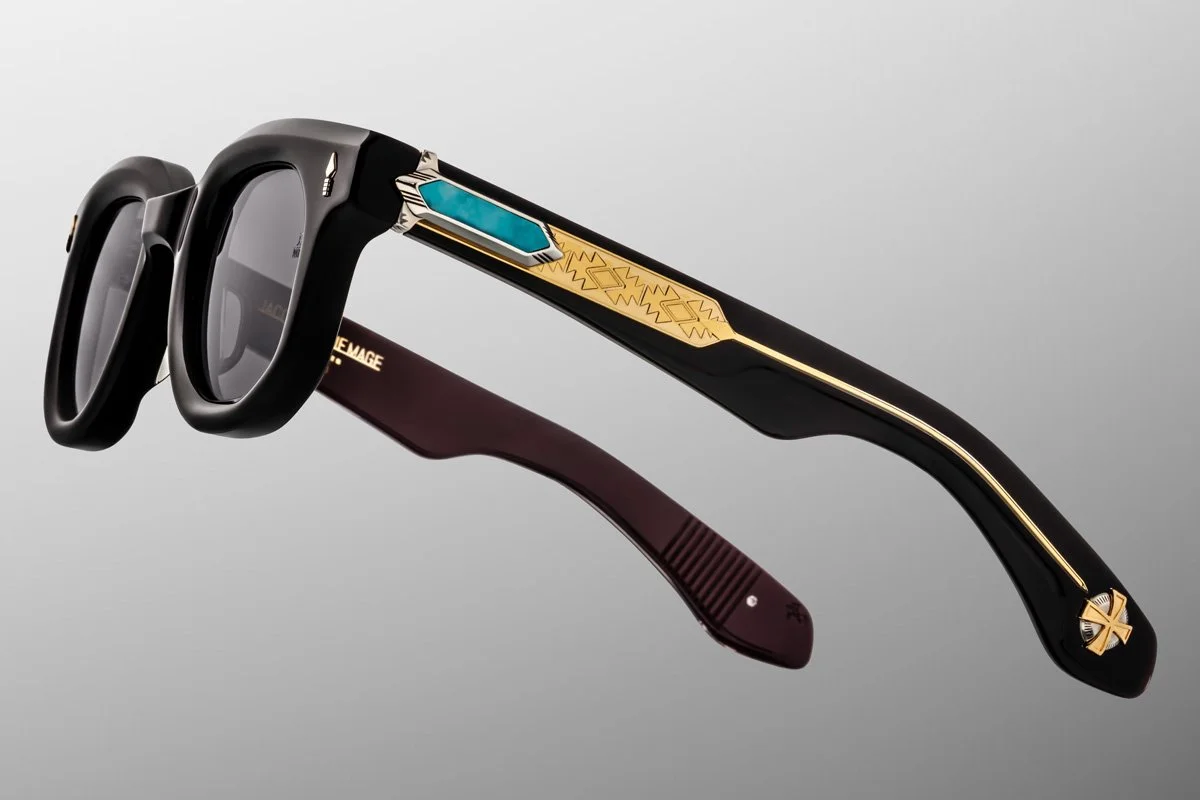
Details and distinctive design of Jacques Marie Mage acetate frames
And when it comes to craftsmanship, Japan has earned a reputation as one of the best, if not the best, in the world for eyewear. For more than 100 years, Japanese manufacturers have been producing some of the finest eyewear. They're known for their unmatched titanium work, beautifully finished acetate, and the exceptional attention to detail that goes into every pair. This uncompromising dedication to quality is what has made Japanese-made eyewear so appreciated and sought after by enthusiasts around the world.
Jacques Marie Mage
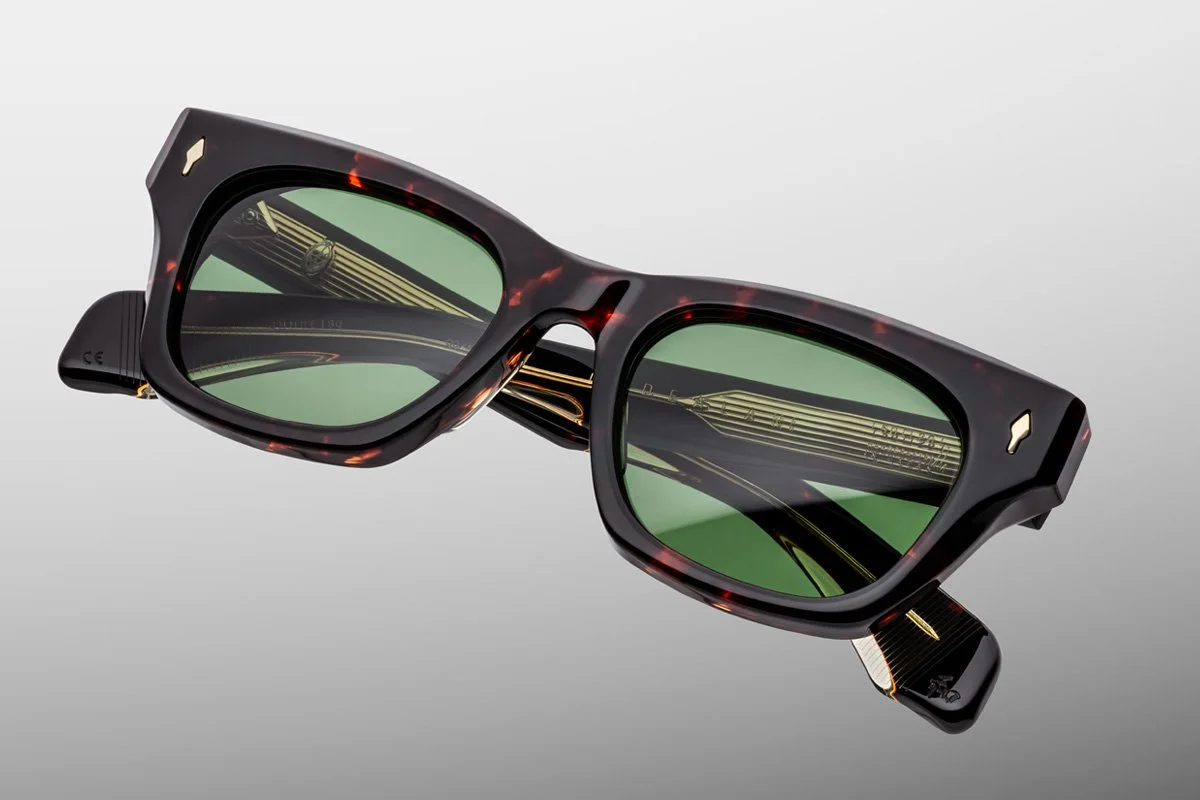
Founded in Los Angeles by Jérôme Mage, Jacques Marie Mage has become one of the most recognisable names in modern independent eyewear. Inspired by vintage frames from the 1960s and 1970s, the brand is known for bold proportions, limited production runs, and exceptional Japanese-made craftsmanship. Using premium acetate, distinctive design details, and attention to detail, JMM has created a unique position between luxury eyewear and collectible design. Its appeal comes from a strong visual identity, distinctive designs, and a collector-like approach to eyewear.
Matsuda
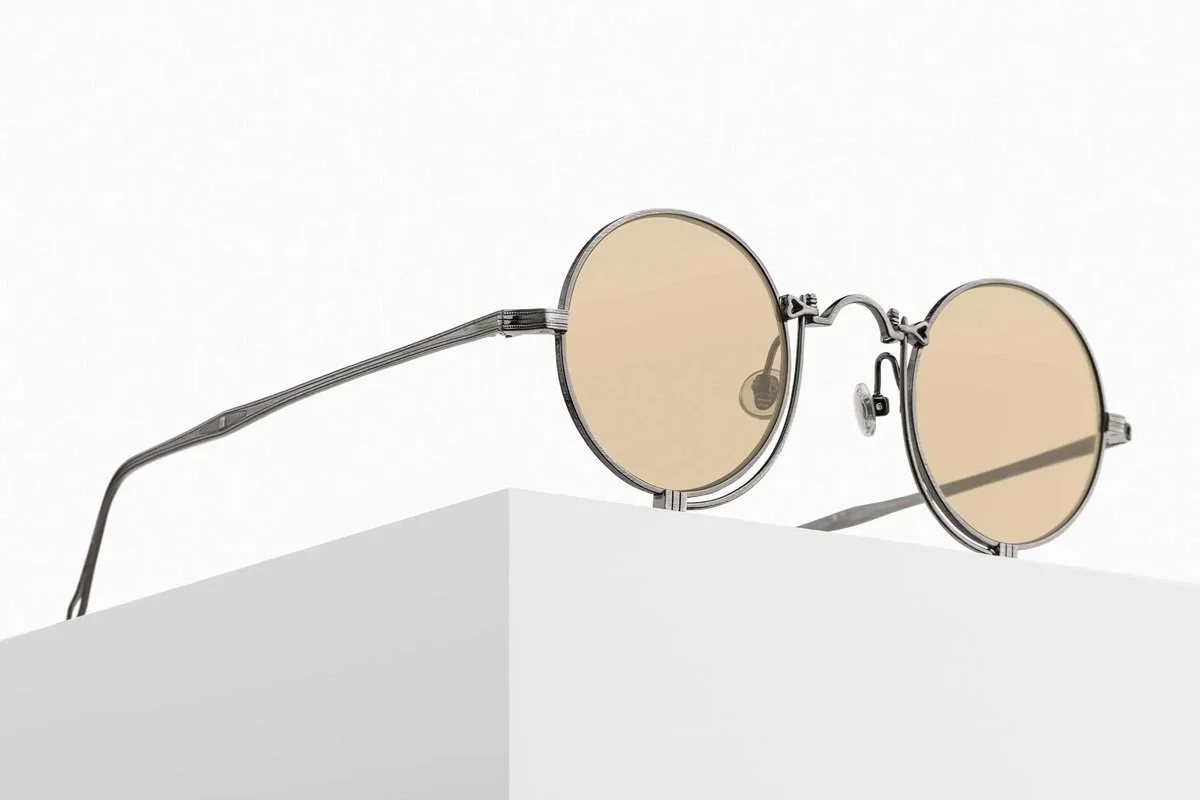
Founded in Japan in 1967 by designer Mitsuhiro Matsuda, they are one of the most respected names in luxury eyewear. The brand combines Japanese craftsmanship with influences from architecture, art, and traditional design, creating frames known for exceptional acetate work, intricate titanium details, and signature hand-finishing techniques. After being revived in the 2010s, Matsuda returned as one of the leading names in independent luxury eyewear, appreciated by enthusiasts for its uncompromising attention to detail and timeless designs.
Masunaga
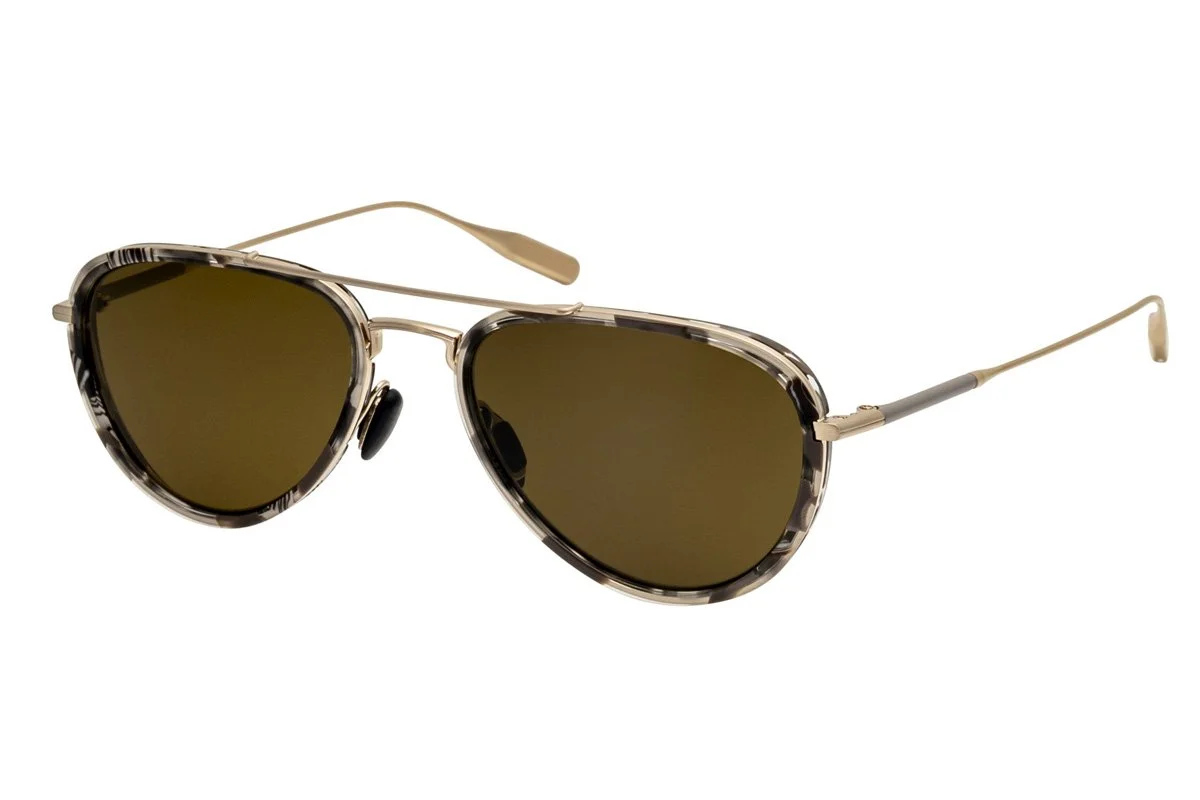
Founded in Fukui, Japan, in 1905, Masunaga is one of the oldest and most respected names in Japanese eyewear. Unlike many eyewear companies, Masunaga has maintained control over the entire manufacturing process, allowing it to preserve traditional techniques and exceptional quality standards. Known for elegant, understated designs and meticulous craftsmanship, the brand represents the heritage and precision that helped make Japanese eyewear famous around the world.
Julius Tart Optical
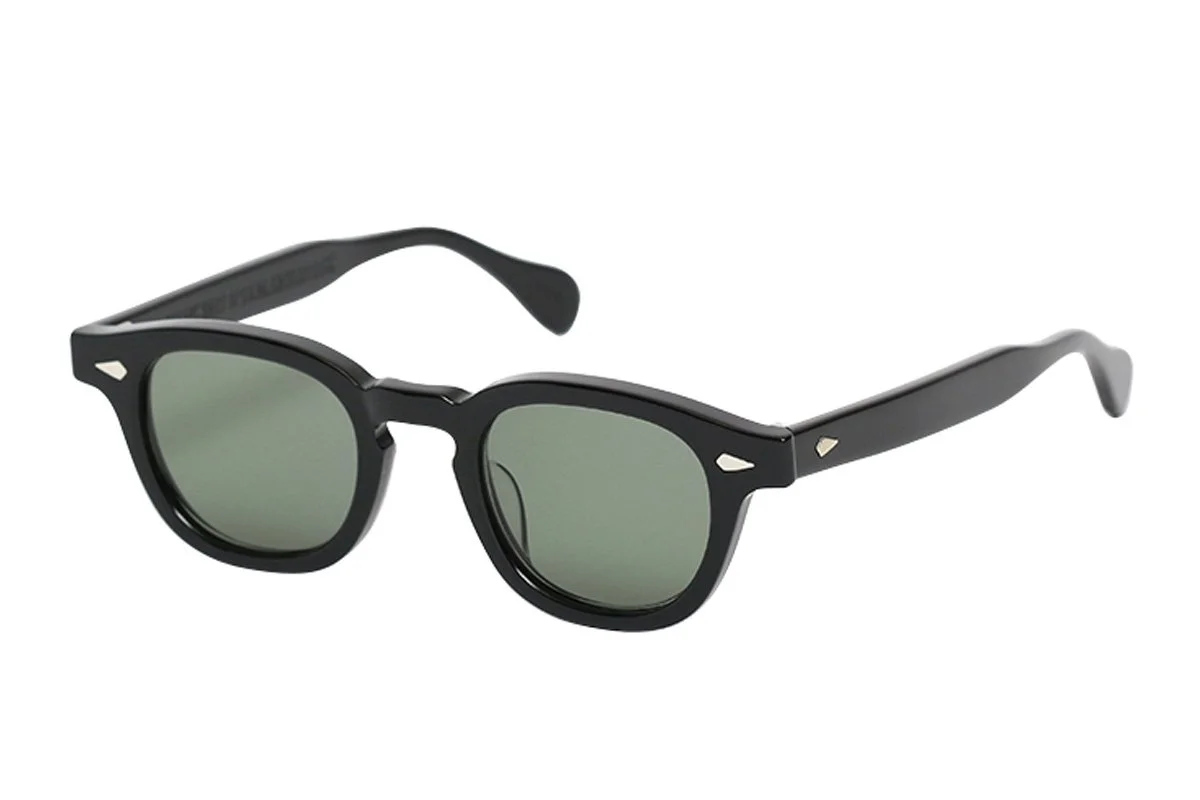
Julius Tart Optical was created to preserve the legacy of Tart Optical, one of the most influential American eyewear brands of the mid-20th century. Known for iconic acetate frames such as the AR model, originally worn by figures including James Dean, the brand recreates classic designs using Japanese craftsmanship and modern production techniques. Combining American optical heritage with Japanese manufacturing quality, Julius Tart Optical has become one of the most relevant names for those who appreciate Ivy style and classic menswear.
EYEVAN
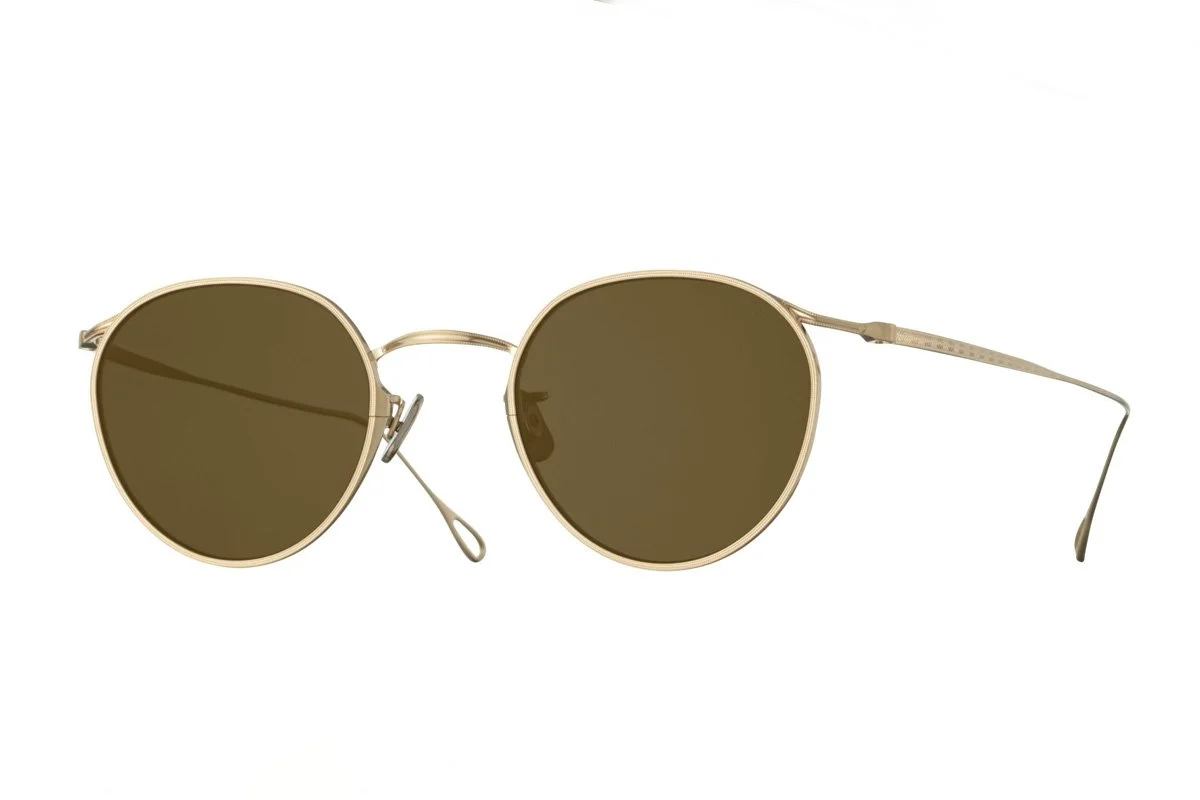
Founded in Japan in 1972, EYEVAN was one of the first eyewear brands to approach glasses as a fashion accessory rather than simply a functional item. Inspired by American Ivy style, vintage eyewear, and classic design references, the brand creates timeless frames with a distinctly Japanese interpretation. Its premium EYEVAN 7285 collection takes this philosophy further, combining vintage influences with custom-made components, refined details, and exceptional craftsmanship, making it one of the most respected names among menswear enthusiasts.
Barton Perreira
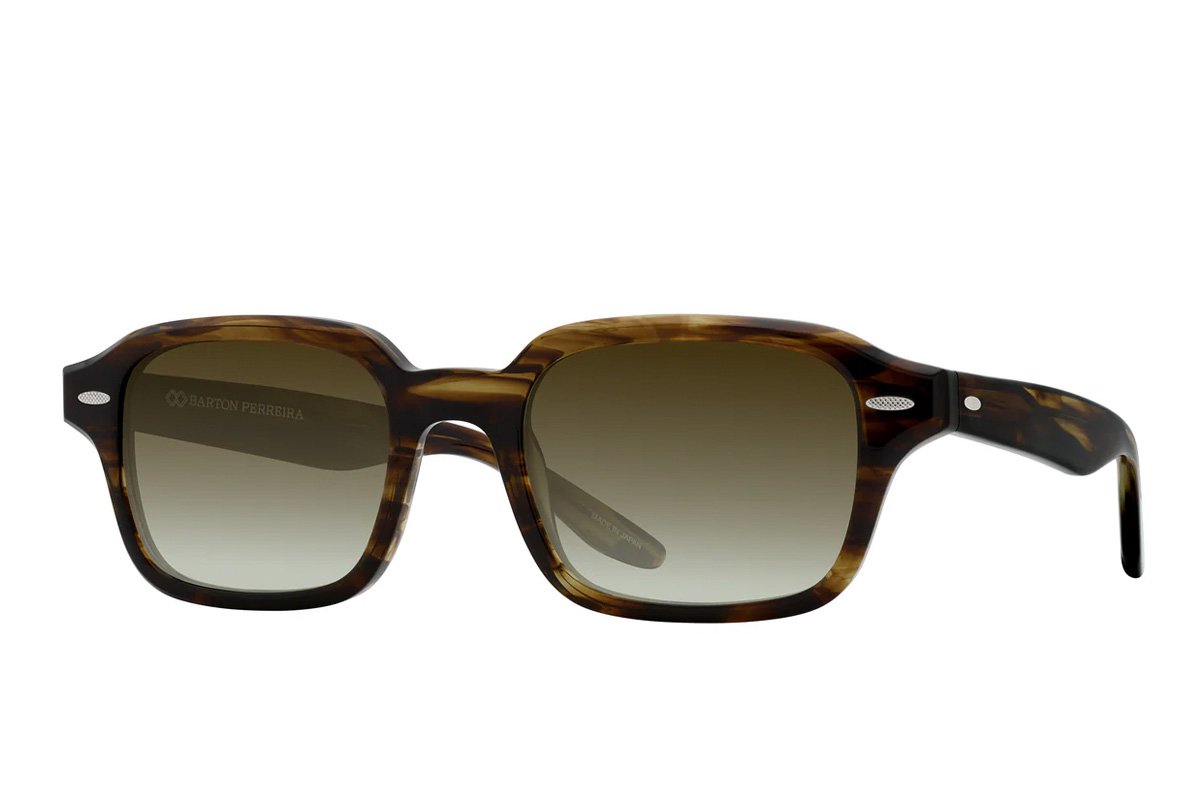
Founded in Los Angeles by former Oliver Peoples executives Bill Barton and Patty Perreira, Barton Perreira combines classic American eyewear design with Japanese craftsmanship. After leaving Oliver Peoples, the pair created a brand focused on refined proportions, timeless shapes, and understated luxury rather than trends. Made in Japan, their frames are appreciated for their elegant designs, high-quality materials, and attention to detail, making them one of the strongest choices for sophisticated everyday eyewear.
Ayame
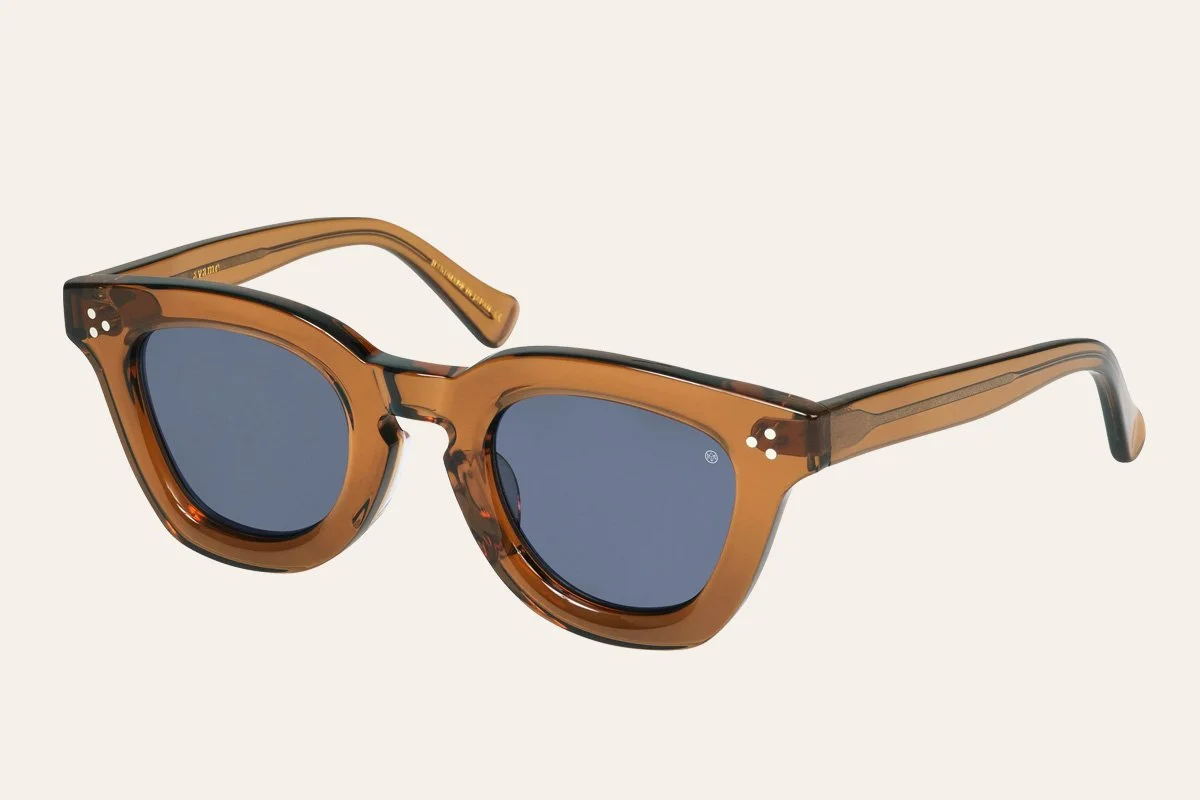
Founded in Japan in 2010, Ayame has become one of the most respected contemporary Japanese eyewear brands. Inspired by vintage American and European frames, the brand creates timeless designs with a modern Japanese interpretation. Known for beautiful acetate colours, refined proportions, and excellent craftsmanship, Ayame has developed a strong following among those who appreciate classic menswear, understated style, and well-balanced designs.
Native Sons
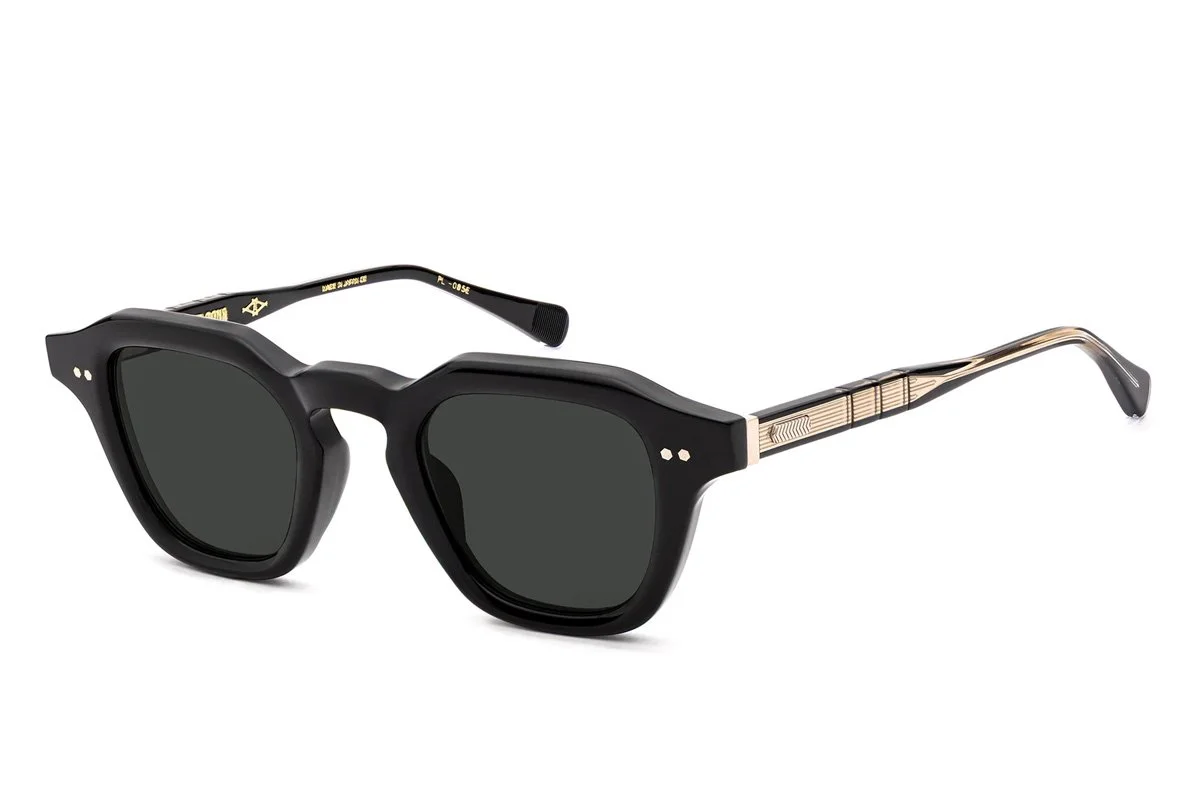
Native Sons is an eyewear brand with American roots, known for bold, vintage-inspired frames with a distinctly masculine character. Its frames are handcrafted in Japan using premium materials and traditional techniques, combining classic American optical influences with Japanese craftsmanship. The brand is particularly known for thicker acetate frames, strong silhouettes, and timeless designs, making it a popular choice among those who appreciate workwear, heritage style, and classic menswear.
Max Pittion
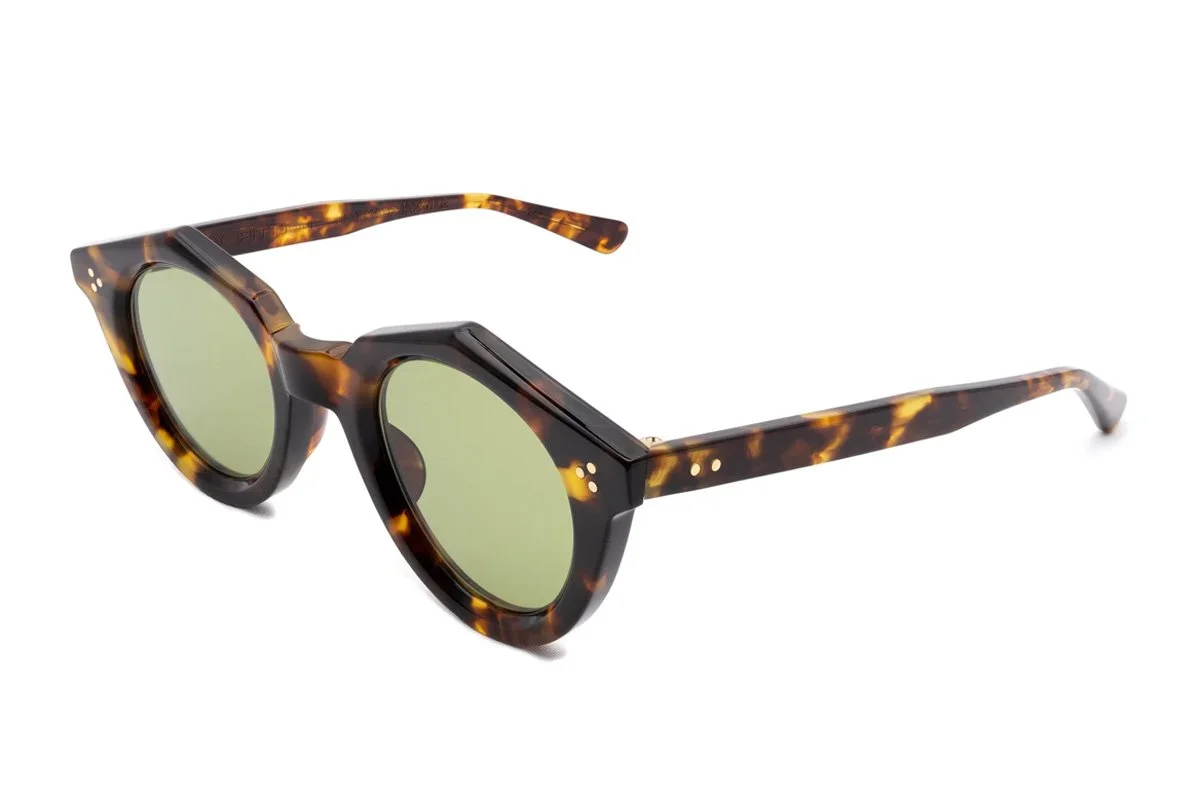
Originally founded in France in the 1960s, Max Pittion became known for distinctive acetate eyewear with a strong vintage character. The brand was later revived in Japan, bringing back its iconic designs with Japanese craftsmanship and modern production standards. Known for bold acetate frames, classic shapes, and a connection to mid-century eyewear history, Max Pittion has become a favourite among collectors and those who appreciate authentic vintage-inspired design.
KameManNen
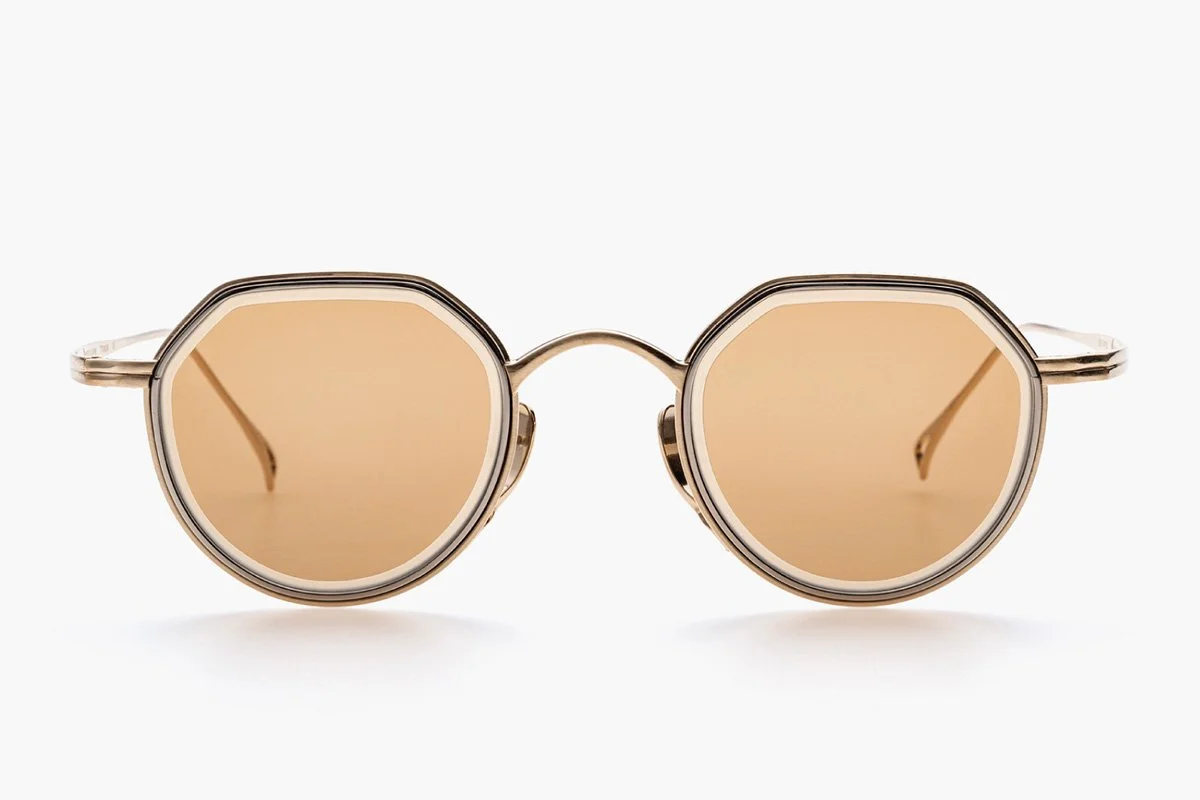
Founded in Japan in 1917, KameManNen is one of the country’s oldest eyewear brands and is especially known for its expertise in titanium frames. Combining traditional Japanese craftsmanship with modern engineering, the brand creates lightweight, durable, and elegant eyewear. With its focus on comfort, quality, and timeless design, their frames represent one of the finest examples of Japanese precision in eyewear.
Yellows Plus
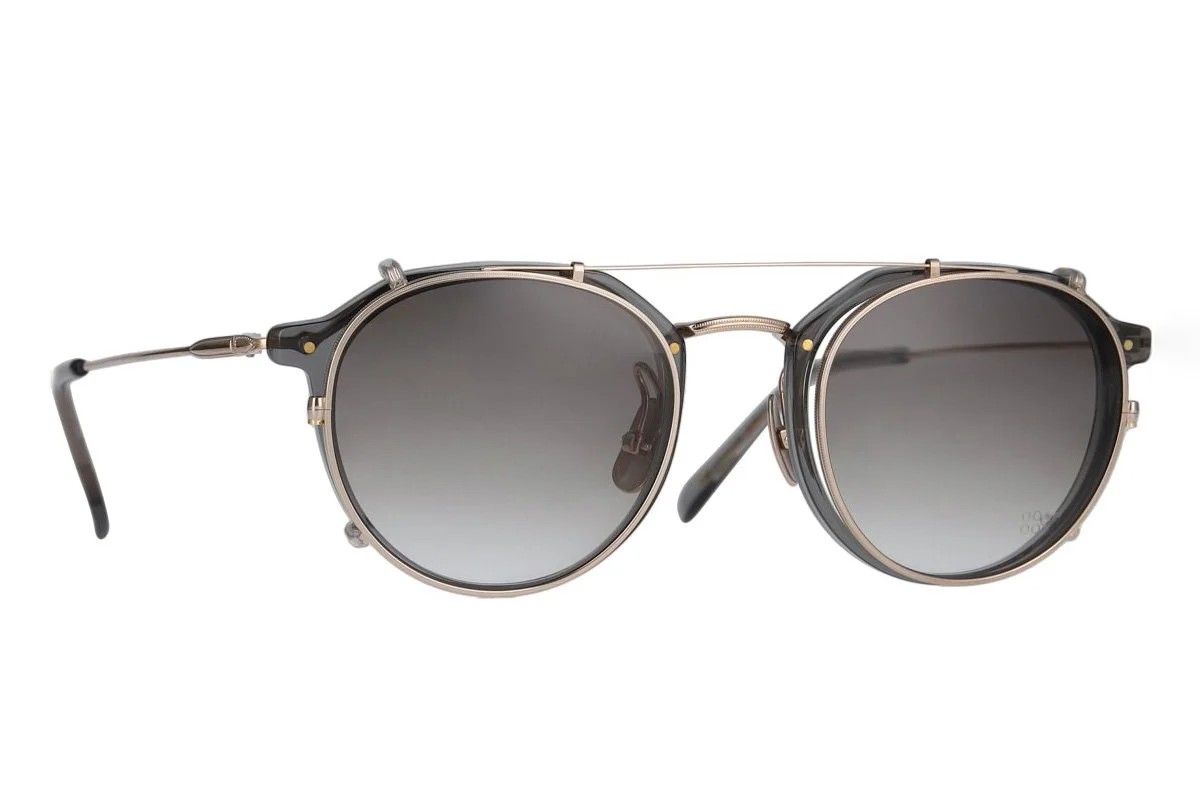
Founded in Japan by eyewear designer Toshiaki Yamagishi, Yellows Plus is known for elegant designs, refined proportions, and exceptional craftsmanship. The brand combines classic European influences with Japanese precision, creating understated acetate and titanium frames with a timeless character. Its focus on balance, detail, and wearability has earned it a strong reputation among enthusiasts looking for sophisticated everyday eyewear.
Lunetterie Générale
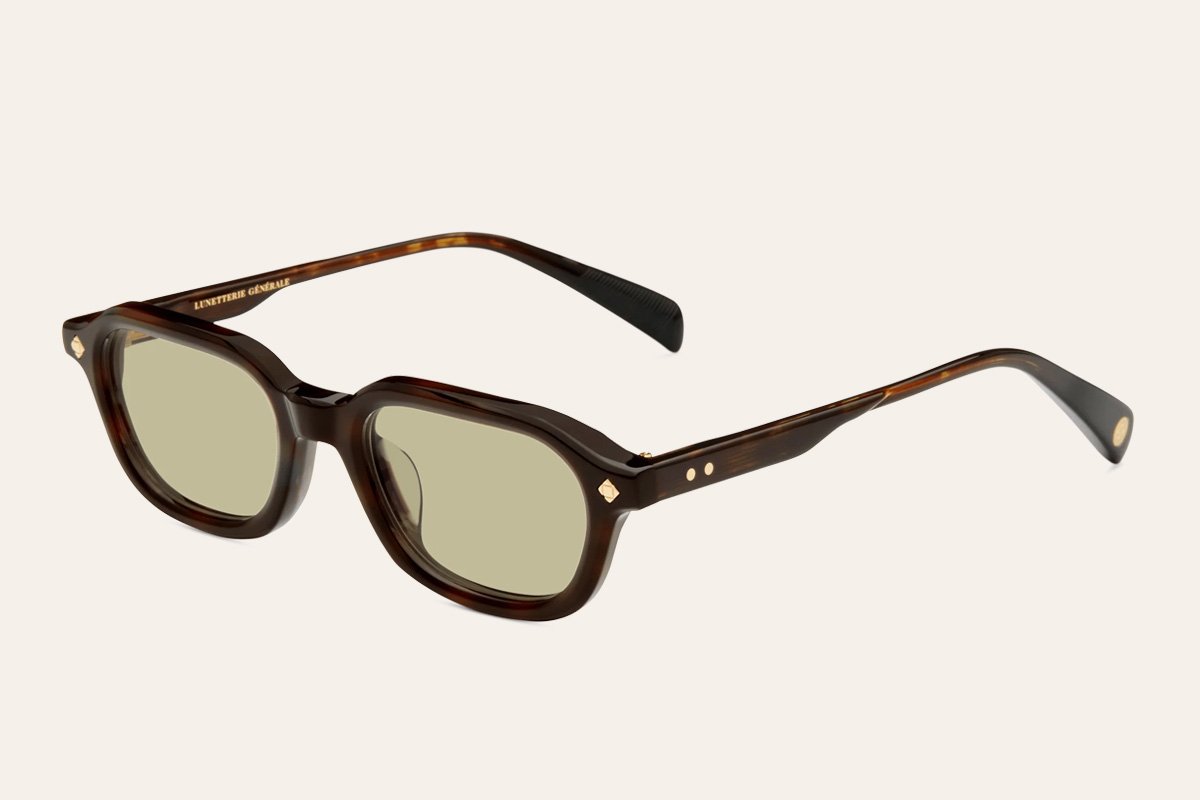
Founded in Canada, Lunetterie Générale creates luxury eyewear inspired by classic optical design and vintage aesthetics. While the brand has North American roots, its acetate frames are produced in Japan, benefiting from the country’s renowned craftsmanship. Known for elegant shapes, premium materials, and a refined approach to design, it appeals to those looking for understated luxury with a vintage character.
Kaneko Optical
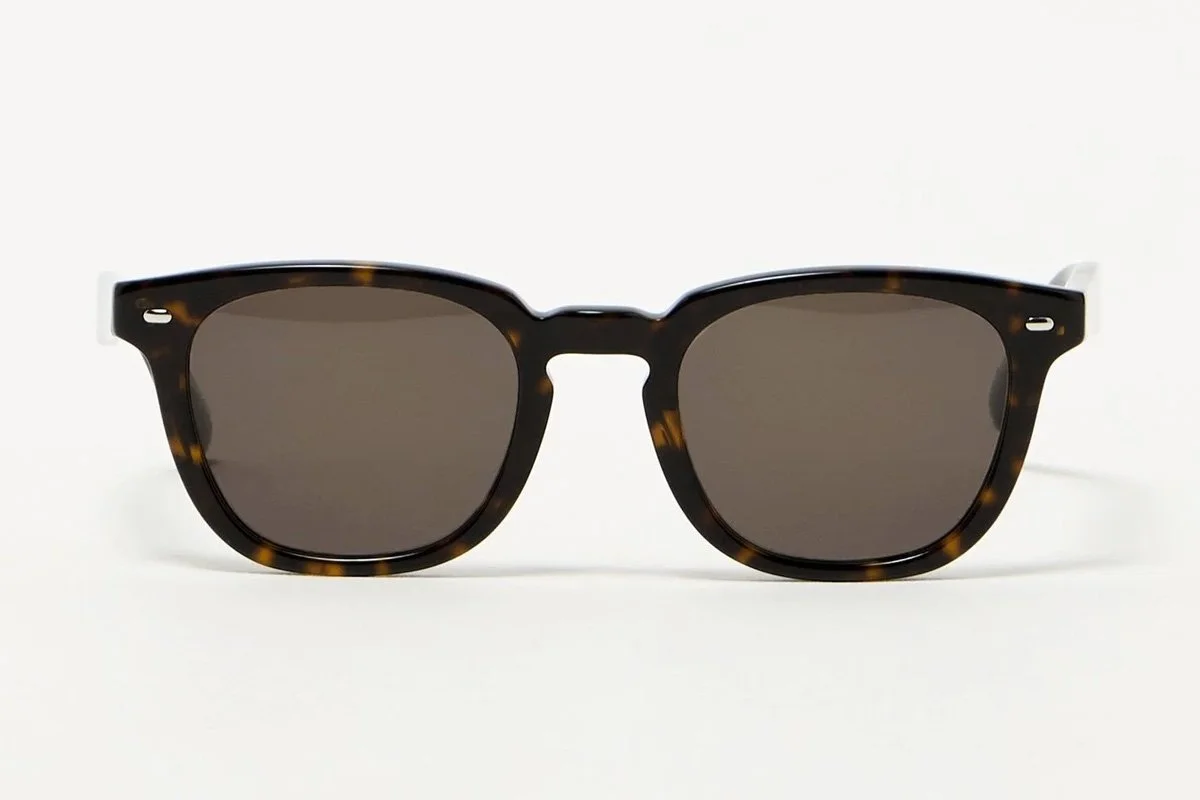
Founded in Japan in 1958, Kaneko Optical is one of the most respected eyewear manufacturers from Sabae, the centre of Japanese eyewear production. The company produces several collections, including Kaneko Optical, SPIVVY, and Kaneko Shokunin, combining traditional craftsmanship with modern design. Known for exceptional acetate finishing, precise construction, and a strong focus on quality, Kaneko Optical represents the quiet excellence of Japanese eyewear manufacturing.
Yuichi Toyama
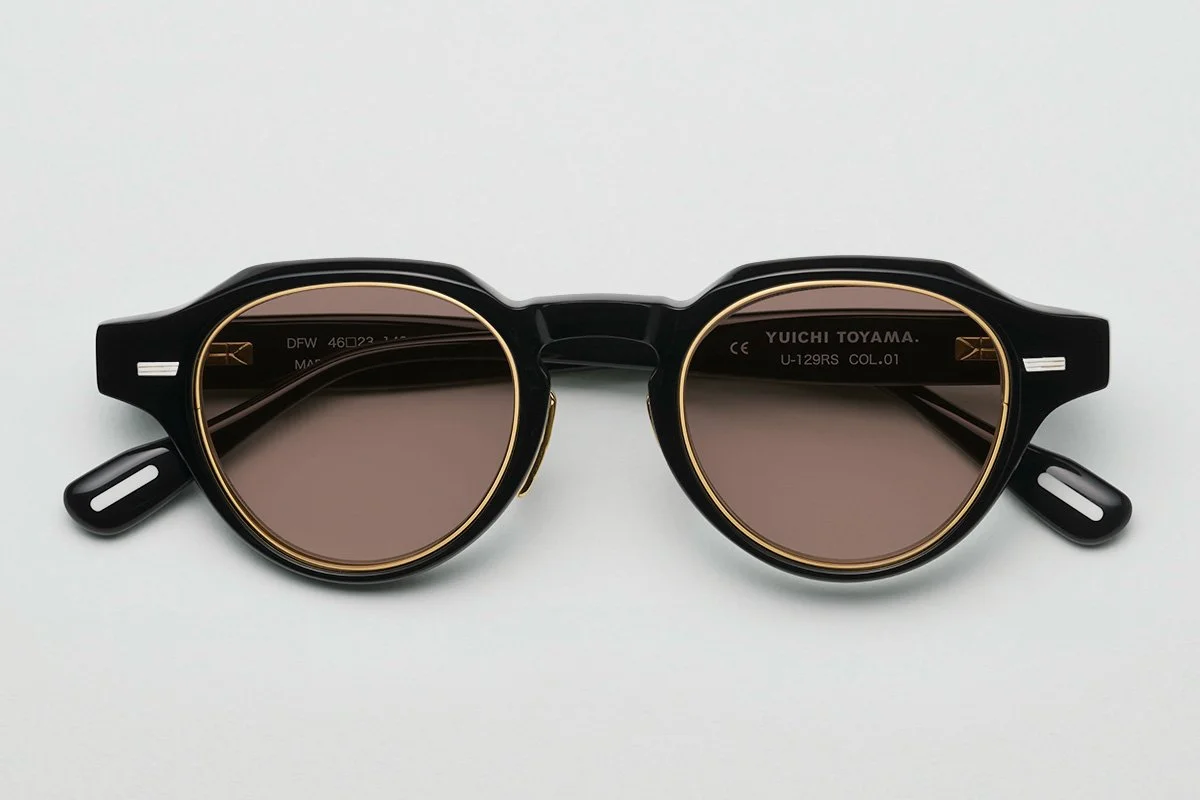
Founded by Japanese designer Yuichi Toyama, the brand represents a more contemporary side of Japanese eyewear craftsmanship. Combining traditional manufacturing techniques with a modern creative approach, Yuichi Toyama creates frames that are refined, distinctive, and carefully considered. Known for subtle design details and innovative construction methods, the brand appeals to those who appreciate understated but unique eyewear.
Masahiro Maruyama
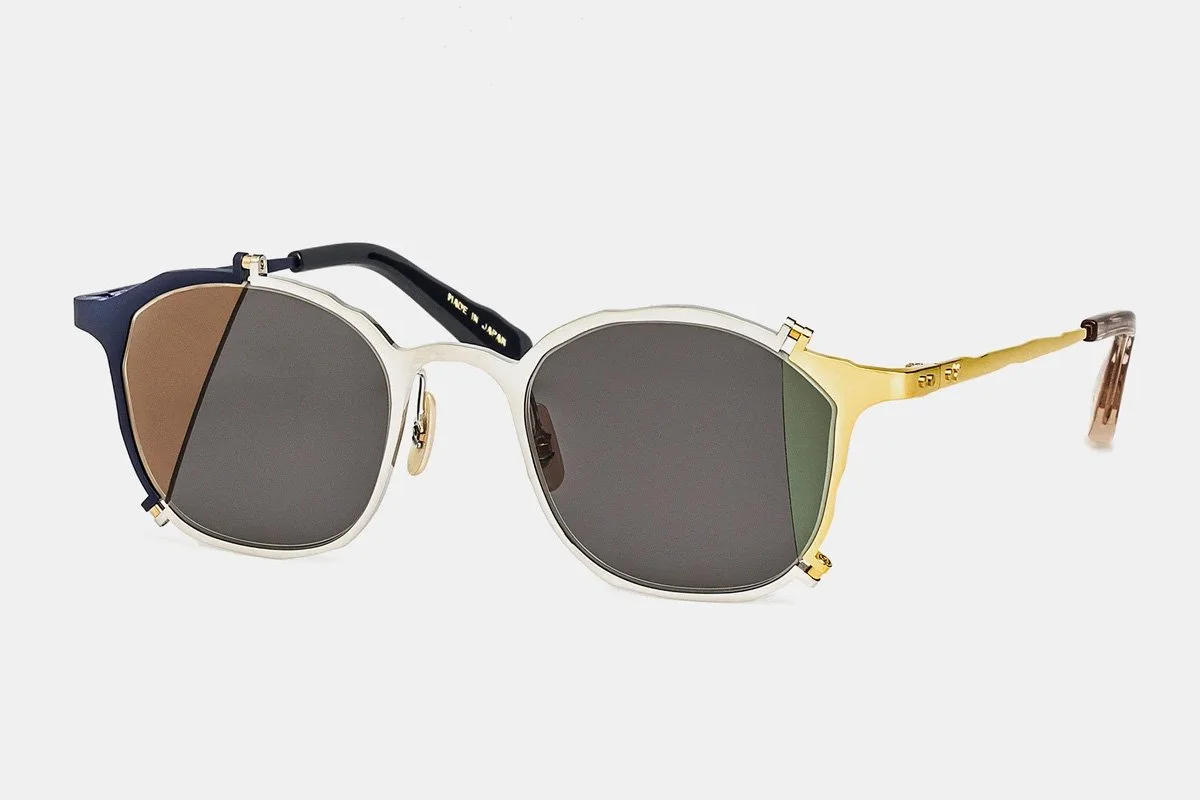
Based in Sabae, Japan, Masahiro Maruyama is known for its artistic approach to eyewear design. The brand creates handcrafted frames with a distinctive focus on asymmetry, individuality, and creative interpretation of classic shapes. Combining Japanese precision with a more expressive design philosophy, Masahiro Maruyama has earned a strong reputation among enthusiasts looking for eyewear that feels more like a piece of design than a simple accessory.
As always, this is not meant to be a definitive ranking, but rather a starting point for discovering some of the finest names in the world of eyewear. If you have a favourite Japanese eyewear brand that I missed, I would love to hear your suggestions.
related articles


A guide to the best quality fatigue pants available today, from faithful OG-107 reproductions to modern interpretations. These are the pairs worth considering if you want to add this versatile military-inspired classic to your wardrobe.