
Two Centuries of Tradition: The History of French Eyewear Manufacturing
France has one of the world's strongest and most distinctive eyewear traditions, with a history stretching back more than two centuries. What’s interesting is that it did not begin in Paris. The heart of the country's eyewear industry lies in the Jura region, in eastern France.
The Jura is a mountain range stretching along the French-Swiss border, with the French part covering parts of the regions of Bourgogne-Franche-Comté, particularly the departments of Jura and Doubs. It is a beautiful, rural and mountainous area better known to many people for forests, lakes, cheese and watchmaking than for eyewear. Yet for more than two centuries, it has been one of Europe's most important centres for making glasses.
The centre of this industry is Morez, a small town in the Haut-Jura close to the Swiss border. Today, Morez is part of the commune of Hauts de Bienne, but historically it developed into the capital of French eyewear manufacturing.
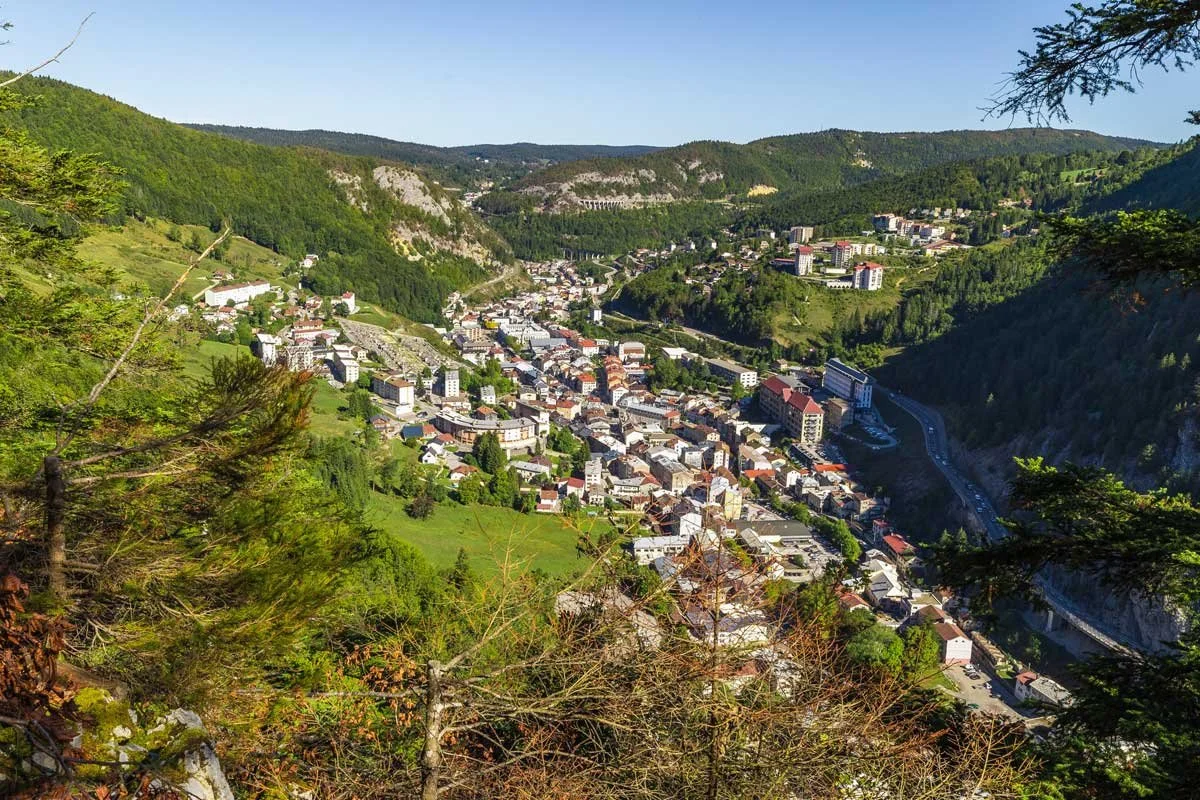
Morez, France / source: Hauts de Bienne
The story goes back to 1796, when a local master nail maker, Pierre-Hyacinthe Caseaux, made a wire frame for spectacles. The choice of location was not accidental. The Haut-Jura already had a long tradition of precision metalworking and watchmaking, and these skills proved to be very useful in making lightweight metal eyewear.
What started as a small local craft quickly became an industry. Production grew from just a few thousand pairs in the early 19th century to 720,000 by the late 1840s, before reaching an extraordinary 11 million pieces in 1882. By 1900, Morez had established itself as the capital of French eyewear manufacturing, with its reputation built around technical expertise, quality and creativity.
The region also developed its own particular specialties. Among them were extremely lightweight wire frames, sometimes known as lunettes fils or “hair glasses”, as well as pince-nez - glasses that were held in place by gripping the bridge of the nose instead of sitting over the ears. The same manufacturing ecosystem eventually developed expertise in stamping, machining, soldering, polishing, plating, acetate work and other highly specialised processes needed to produce a modern frame.
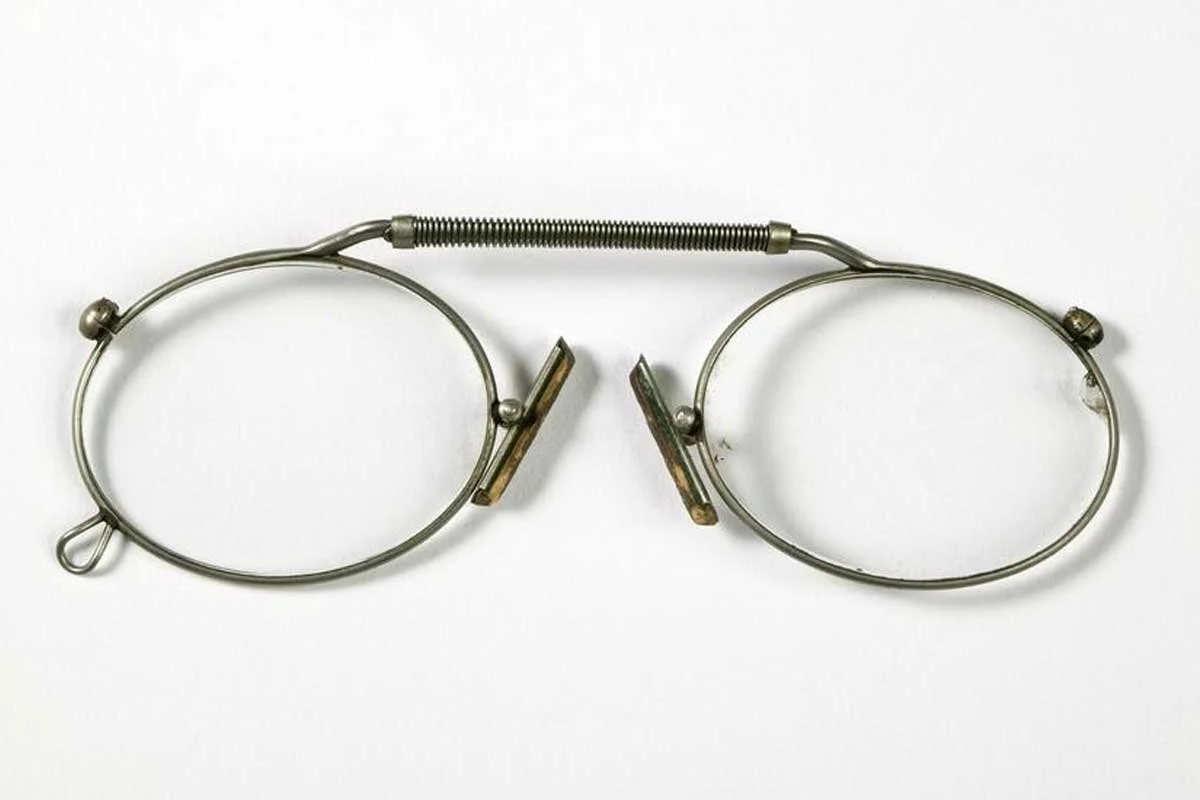
Pince-Nez Glasses made between 1800-1900 / Source: Science Museum Group
Maybe the most interesting thing about French eyewear is this - it is not just a collection of French brands outsourcing production elsewhere. There is an actual manufacturing ecosystem behind it. Today more than 50 companies within the Jura eyewear industry represent over 1,000 direct and indirect jobs and produce more than 2.5 million frames every year. The region still brings together manufacturers, component suppliers, toolmakers, specialist artisans and finishers, which enables the industry to produce millions of frames almost entirely within the local manufacturing ecosystem.
There is also a strong culture of passing these skills on. A practical industrial school was established in Morez in 1895, with a dedicated optical section added in 1904. This eventually became the Lycée Victor Bérard, which continues to train future lunetiers, opticians and technicians today.
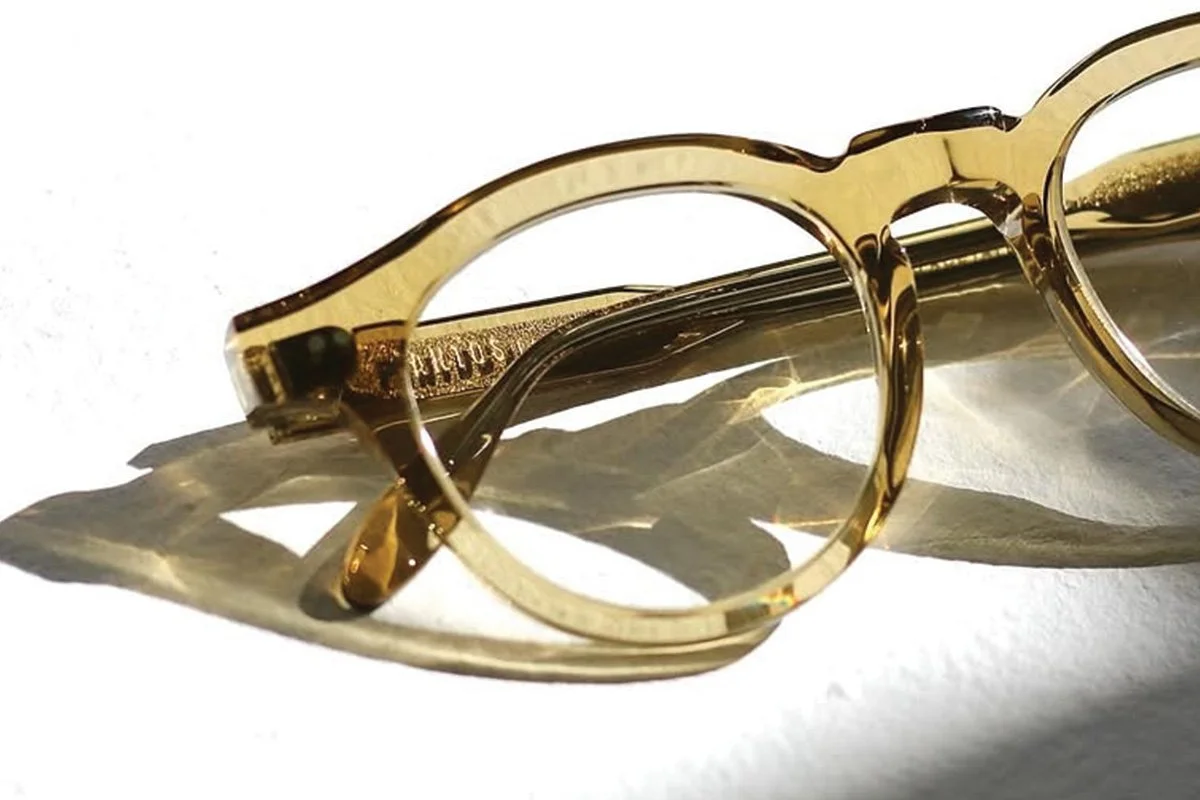
But French eyewear became about much more than just manufacturing. It’s strong influence on fashion also helped turn glasses from something purely functional into an important part of personal style. Parisian fashion houses, designers and independent opticians began treating frames as accessories in their own right, helping establish the idea that the shape, colour and proportions of a pair of glasses could be as important as the clothes worn with them. This is one reason French eyewear developed such a broad range of styles, from traditional metal and acetate frames to the bold, oversized designs associated with French fashion in the 1960s and 1970s.
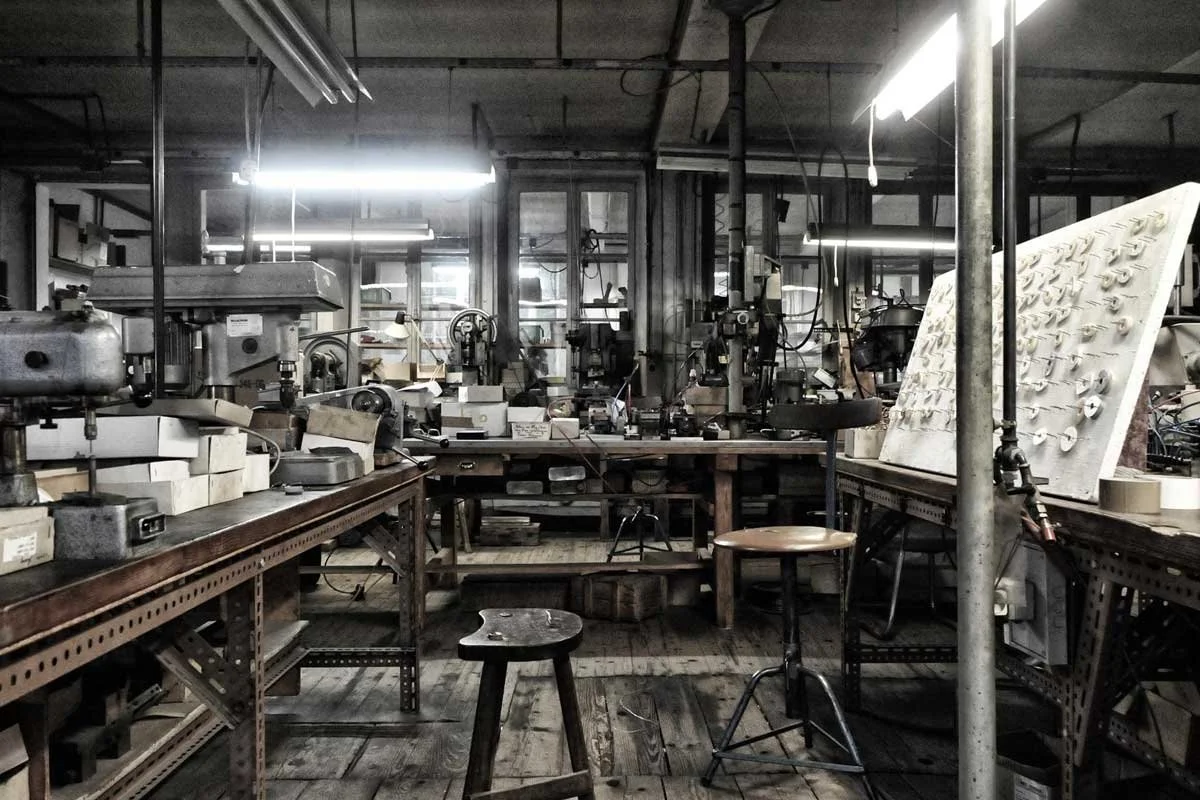
Gouverneur Audigier workshop / Source: Gouverneur Audigier
That relationship between craftsmanship and fashion remains one of the defining characteristics of French eyewear today. On one side are historic manufacturers such as Morel, Vuillet Vega, Roussilhe and Gouverneur Audigier, many of which remain connected to the Jura and its centuries-old manufacturing skills. On the other are contemporary independent names such as AHLEM, John Dalia, Jacques Durand and Tortuga Paris, which reinterpret these traditions through a more modern design language.
And despite the pressure from international production and decades of outsourcing, the French industry has not disappeared. The Jura remains home to a network of manufacturers, suppliers and specialist artisans, while many independent brands continue to work with French workshops and keep these skills alive.
The result is a French eyewear landscape that is surprisingly diverse. There are more than two centuries of industrial history in Morez, generations-old family manufacturers, bespoke Parisian lunetiers, contemporary independent designers and new brands working with French production, all contributing to a tradition that continues to evolve.
If you want to learn more about the brands carrying this tradition forward today, I've put together a selection of the best French eyewear brands, focusing on quality, craftsmanship, design and heritage. Not every brand manufactures every frame in France, but each has a meaningful connection to the country's eyewear tradition, and that, I think, is what makes French eyewear so interesting.
related articles
A guide to the best quality OG-107 Fatigue shirts available today, including faithful military reproductions and modern interpretations. These are the shirts worth considering if you want to add this versatile military classic to your wardrobe.