
There is something quite special about visiting a watchmaker and seeing what actually goes into making a watch, things you would normally never get to see through a display case. Especially when it is a company that takes so much of its production into its own hands. This September I had the opportunity to spend a day in Glashütte, attending the seventh NOMOS Forum and visiting both its watchmaking facility and its separate parts-production facility. Seeing the people, processes and machinery behind the watches gave me a much better understanding of what makes NOMOS what it is. And maybe even more importantly, it made me appreciate the watches even more.
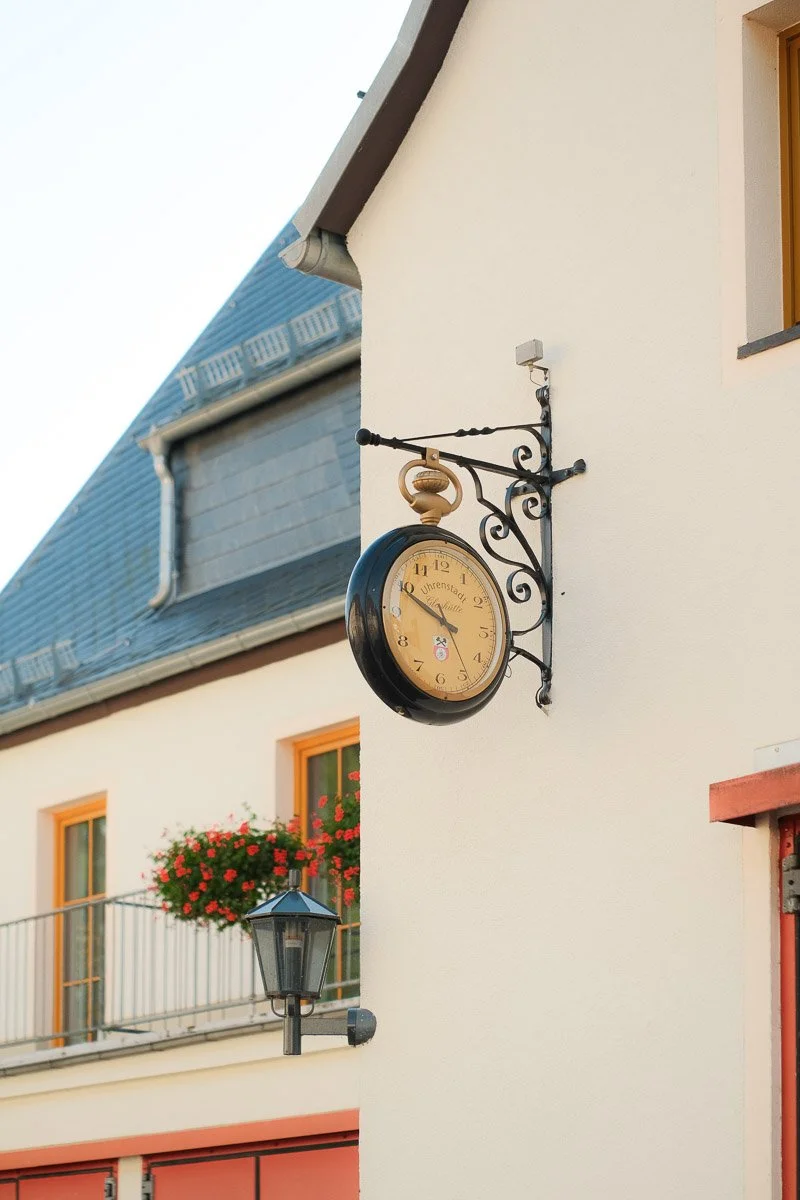
While Glashütte is synonymous with German watchmaking and home to some of the most respected names in the industry, NOMOS is a relatively young company by comparison. Founded in 1990 by Roland Schwertner, shortly after the fall of the Berlin Wall, the company set out to create mechanical watches, combining a distinctly modern design with the watchmaking traditions of this small town in the Ore Mountains of Saxony.
They presented their first collection in 1992, consisting of six watches across four models with different case shapes and dial designs: Tangente, Ludwig, Orion and Tetra. Interestingly, all four original models remain part of the collection today, with their proportions and overall appearance still very close to the originals. The design is often associated with the Bauhaus movement, but it has stronger ties to the Deutscher Werkbund, a German design association founded in 1907 to bring together art, craftsmanship and industry. NOMOS is a member of the organisation, and its philosophy is easy to recognise in the watches: functional forms, clear typography, carefully considered proportions and very little that doesn't serve a purpose.
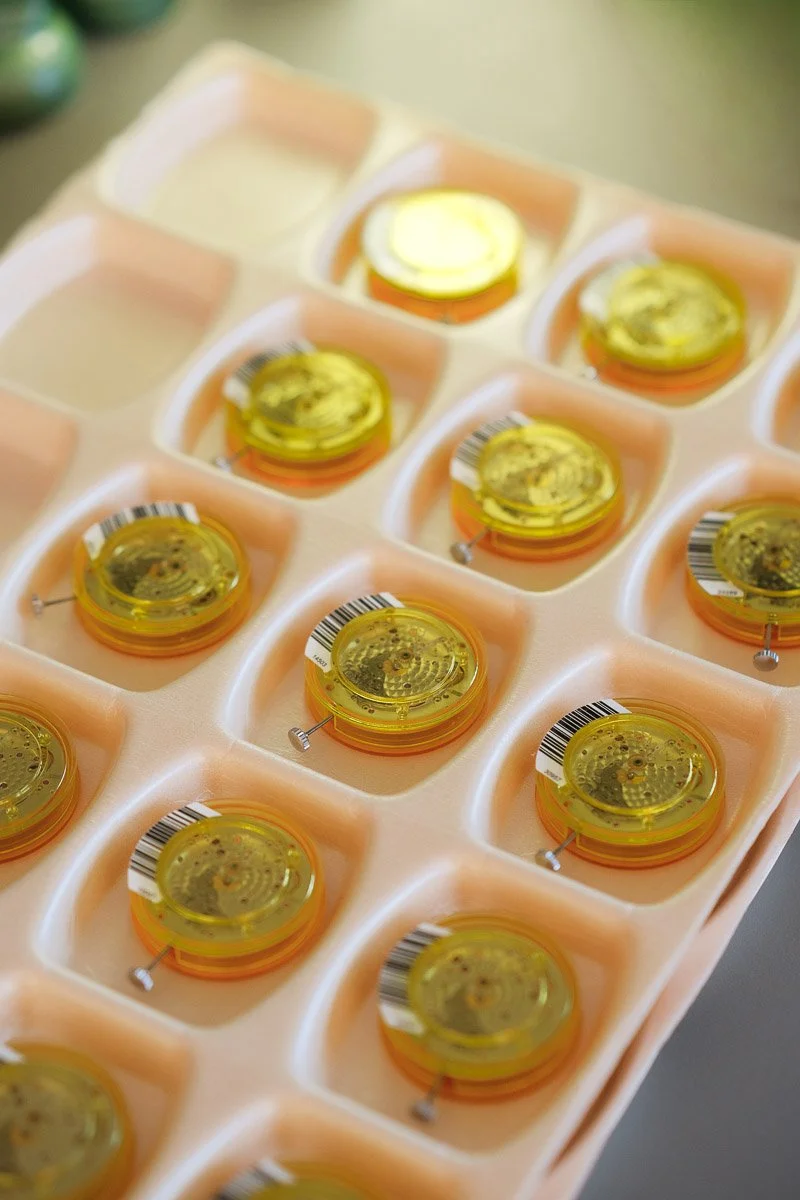
NOMOS is known for its slim mechanical movements. The DUW 3001, introduced in 2015, measures just 3.2mm thick, while the DUW 3202 combines automatic winding with a world-time function in just 4.8mm. Both show how NOMOS adds functionality without making its watches unnecessarily thick. All DUW movements are developed and manufactured in Glashütte. DUW stands for NOMOS Glashütte Deutsche Uhrenwerke. That level of in-house production is not something you see every day, particularly at this price point.
A major milestone in NOMOS's history was the introduction of its own escapement, the NOMOS Swing System, in 2014, which was developed over seven years with an investment of around 11 million €. This allowed NOMOS to manufacture one of the most essential components of a mechanical movement in-house, taking a major step towards complete independence in movement production. Its blue balance spring has since become a signature detail of NOMOS movements.
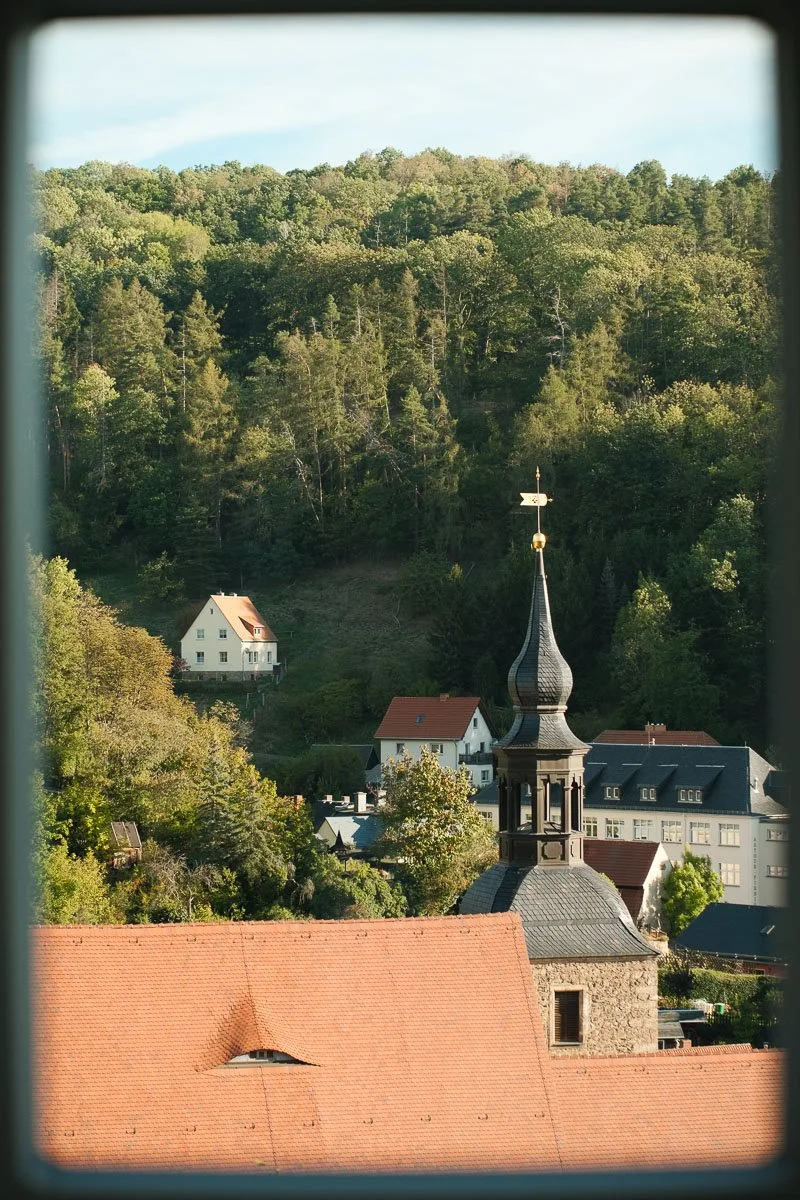
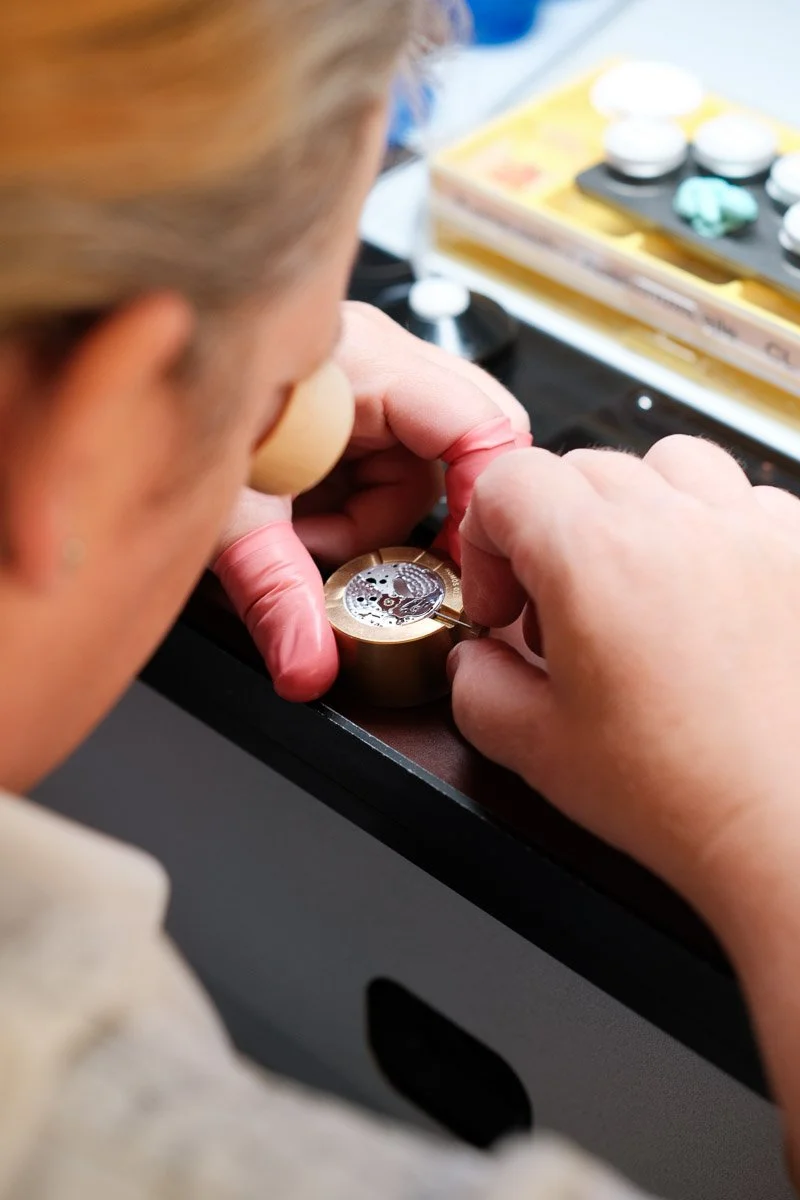
One of the things that makes Glashütte particularly interesting is that the name isn’t just a geographical reference, but also a legally protected designation of origin. For a watch to carry the Glashütte name on its dial, at least 50% of its value creation must take place in the town. But NOMOS goes considerably further than that, because according to the company, up to 95% of its movement components are produced in-house in Glashütte. I think that’s very impressive, especially considering that NOMOS is still an independent, owner-operated company. It also means that the company has control over most of the process, from the development and production of individual movement components to assembly, regulation and final quality control.
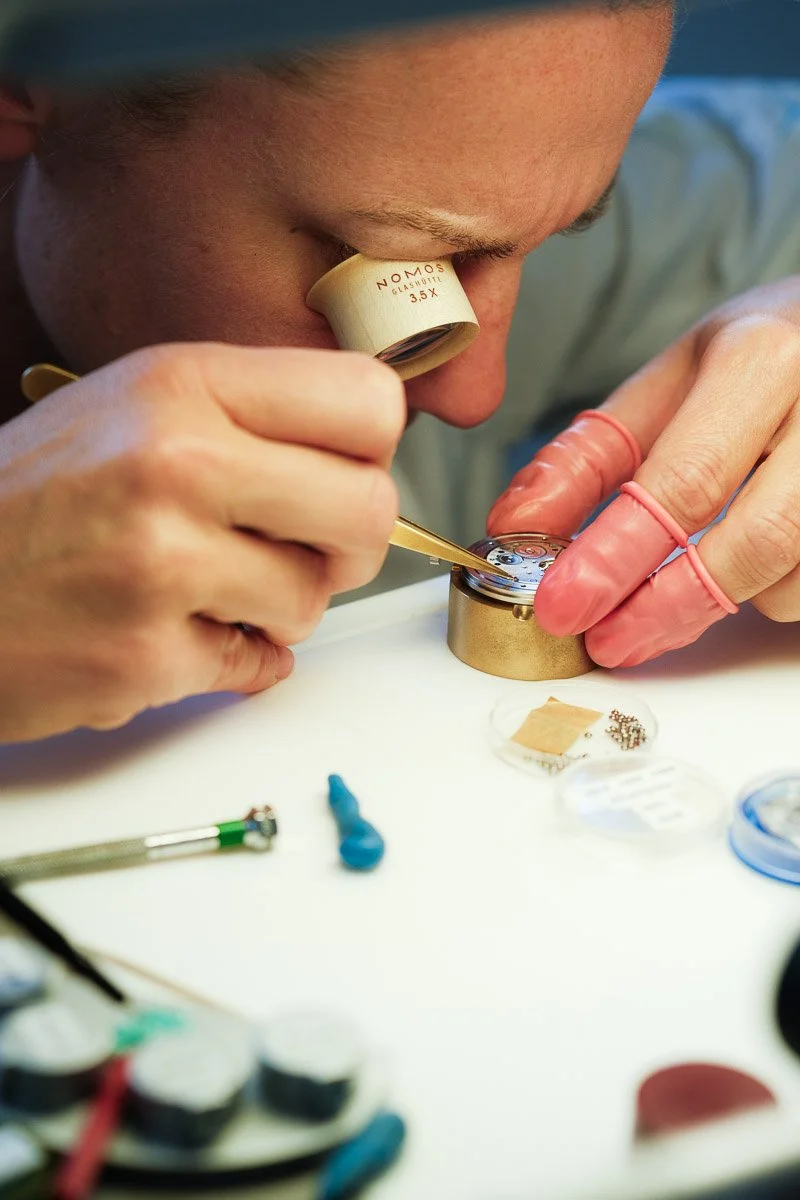
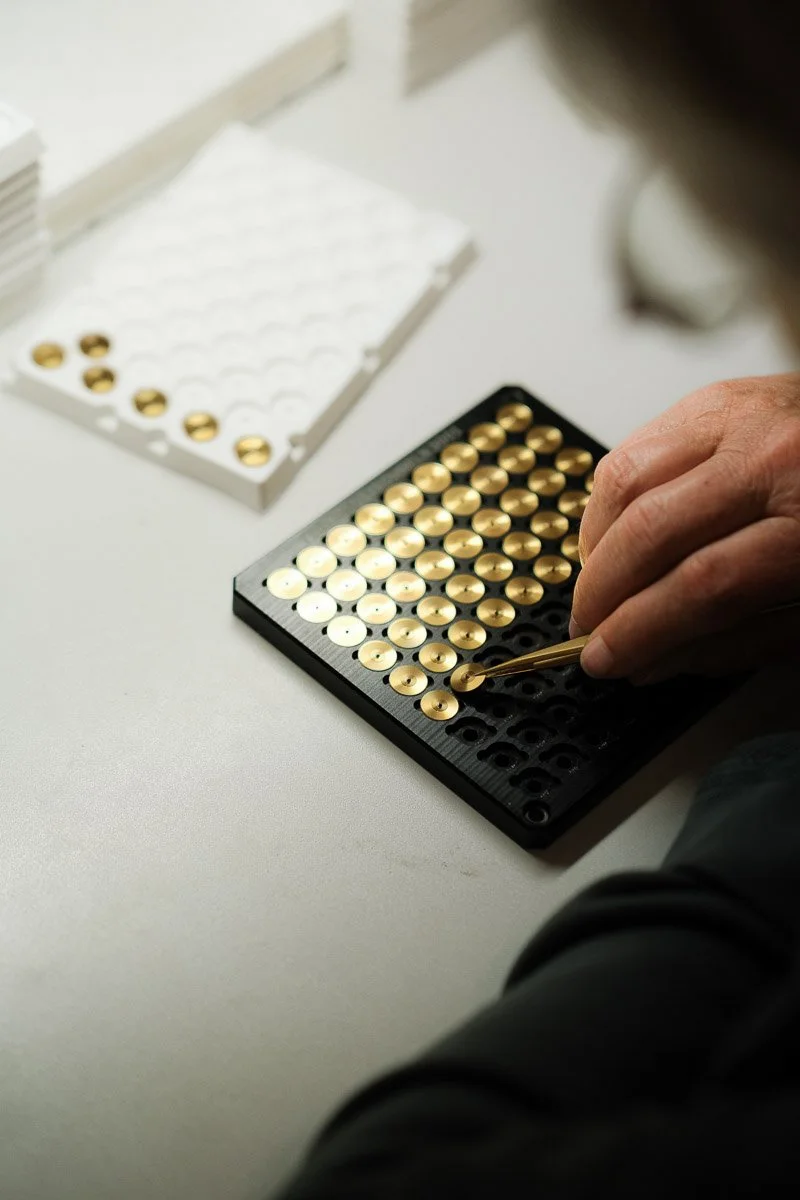
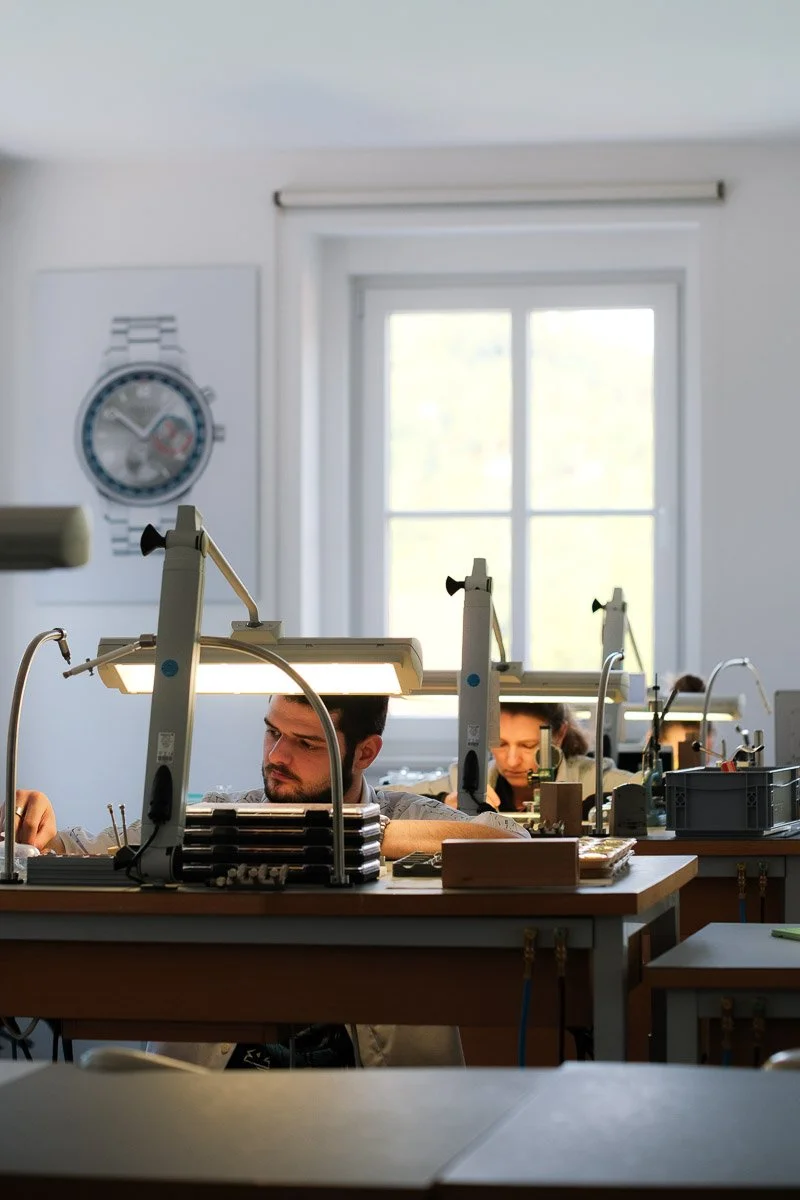
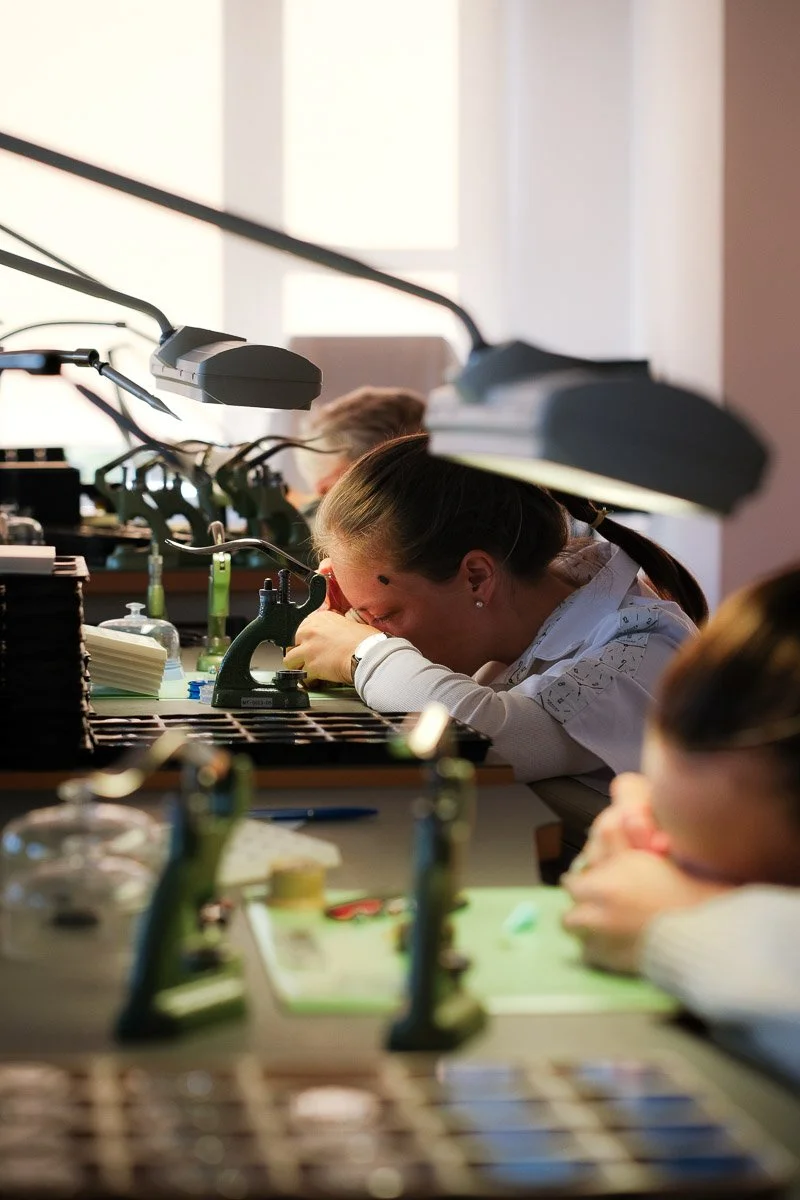
During our visit, we had the opportunity to see both sides of this operation. We started at the watchmaking facility in Glashütte, where the watchmakers assemble the watches, and then headed to the production facility in Schlottwitz, a short drive from Glashütte, where many of the tiny components that eventually make up a mechanical movement are manufactured.
We tend to associate traditional watchmaking primarily with watchmakers sitting at their benches, carefully assembling movements by hand. But before that can happen, there is an enormous amount of precision engineering involved. Individual components need to be machined, finished and checked to extremely tight tolerances, often measured in just a few microns. It is a combination of modern machinery, engineering knowledge and traditional watchmaking skills, with each stage playing an important role in the final result. So it was really interesting to see the production side as well.
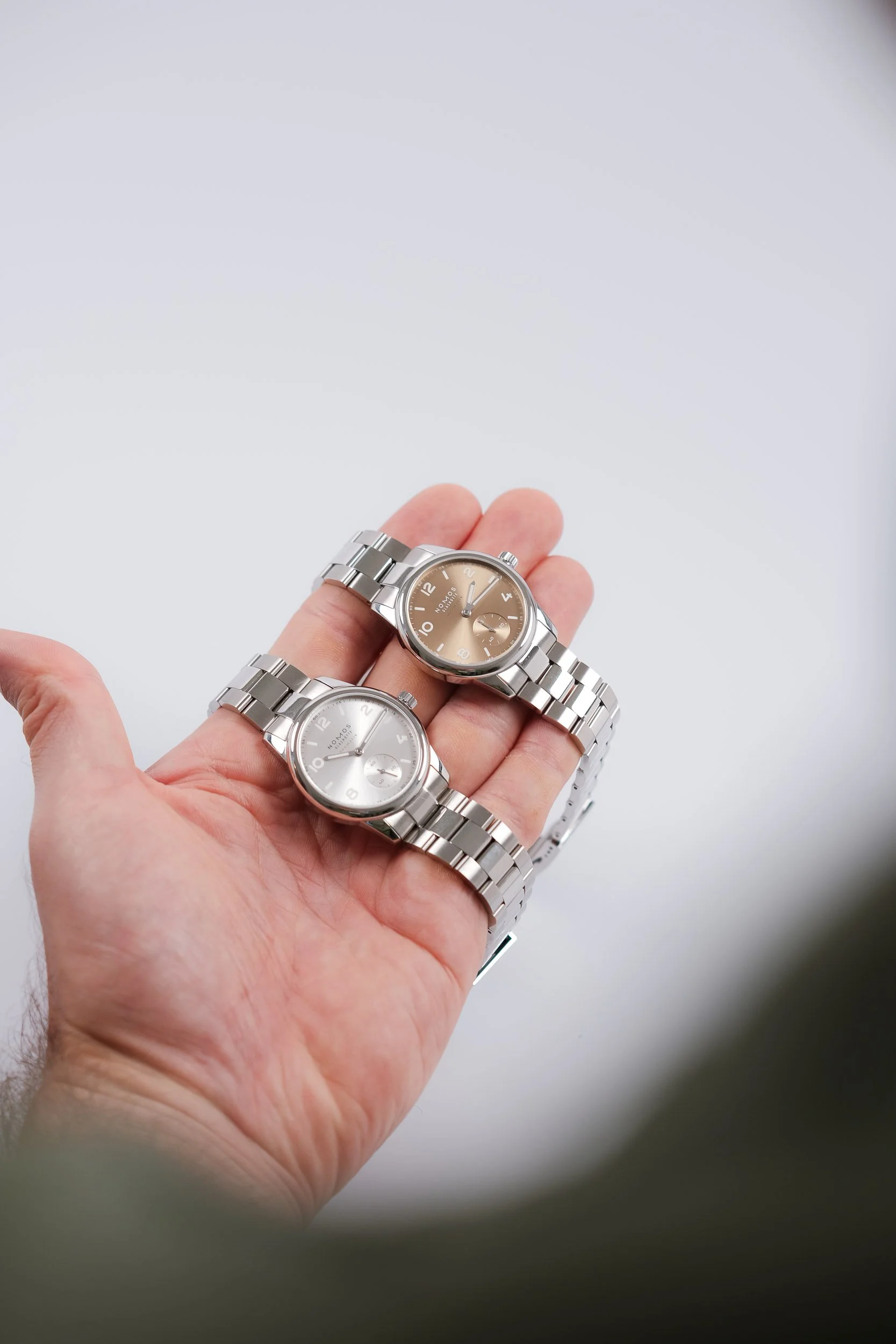
During the NOMOS Forum, the team introduced us to their approach to watchmaking and showed us a early preview of the novelties which they unveiled over the previous 2 months. After the presentations, we had the chance to see and try on the entire collection, and it was very impressive to see all the watches in one place and being able to compare them. That was actually exactly what I hoped for, because I had wanted to try some of their smaller watches for quite some time. So I'm really glad we got that opportunity there. I especially wanted to see and try the Club Sport Neomatik 34, which now became my favourite NOMOS watch at the moment. Its size and proportions make it extremely wearable, while the design, especially with the gold dial, is incredibly versatile (you can read my thoughts about this watch here)
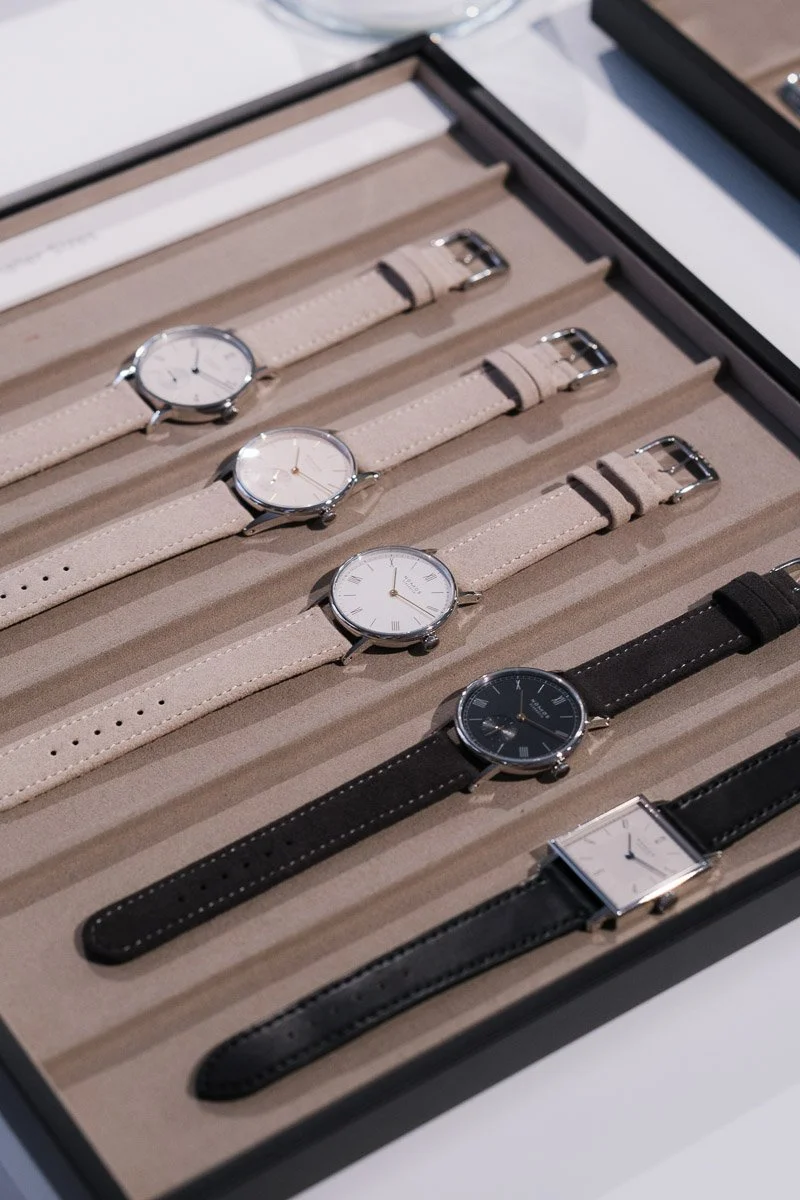
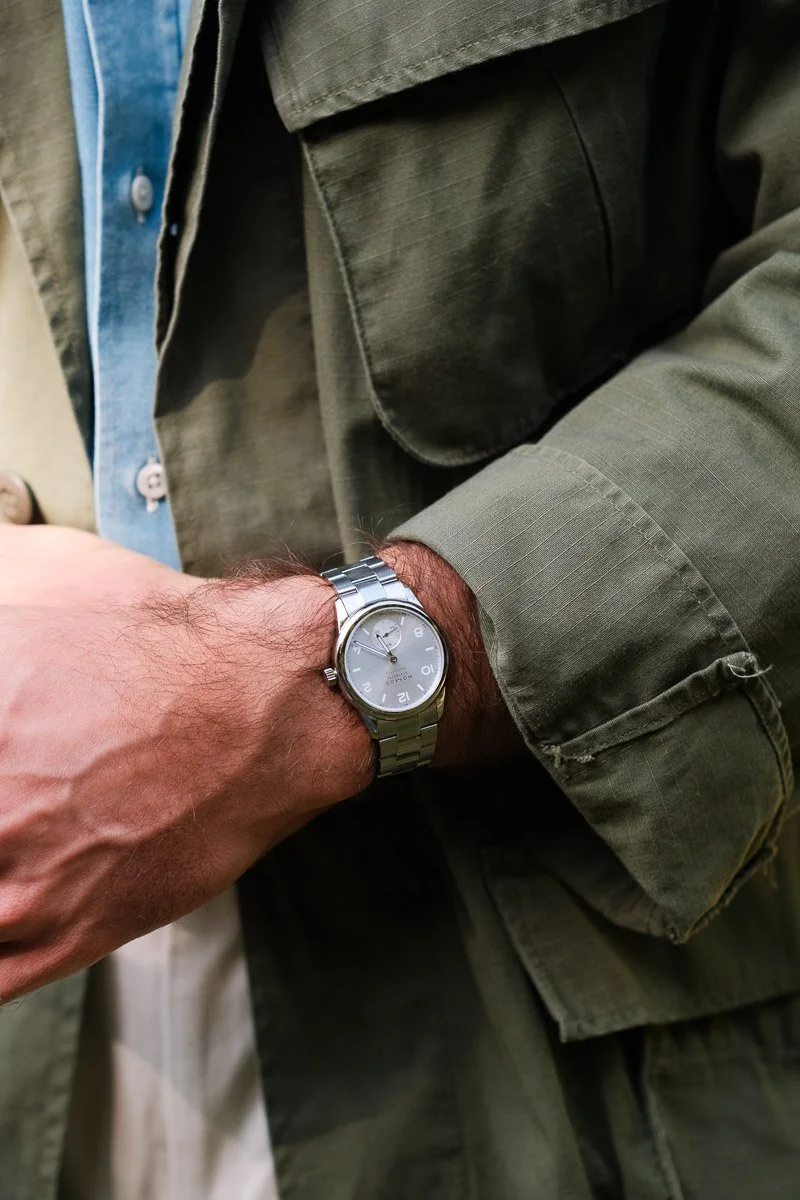
There is something unique about the way the brand approaches watches, without unnecessary complications or recognisable luxury cues. Their watches share a certain restraint that makes them easy to wear and appreciate over time.
After spending time in Glashütte, I find myself looking at the brand from a slightly different perspective. The watches are not just well-designed German timepieces with attractive in-house movements. There is a considerable amount of knowledge, investment and work behind them, much of which is rarely visible when you look at a watch on someone's wrist.
And seeing the process in person gave me a new level of appreciation of what Made in Glashütte actually means. While a factory visit won’t really change how a watch looks on your wrist, it can certainly change how you think about what you are wearing.
A big thank you to the NOMOS team for the invitation and for giving us the opportunity to see so much of what happens behind the scenes.
related articles
A visit to the NOMOS Forum in Glashütte, with a behind-the-scenes look at how the brand makes its watches, from producing movement components to assembling and finishing each timepiece.