
The History of Scarf
Scarves are one of the essential pieces in a modern wardrobe - we usually think of them as a winter staple or a fashion accessory. They’re also extremely popular among sports fans to show support for their team. But throughout history, scarves have played very different roles across many cultures.
The story of scarves dates back over 3,000 years, and its earliest well-recorded appearance comes from ancient Egypt. In 1350 BC, Queen Nefertiti was portrayed wearing what historians call a scarf, apparently under a head covering, probably as decoration or a sign of status.
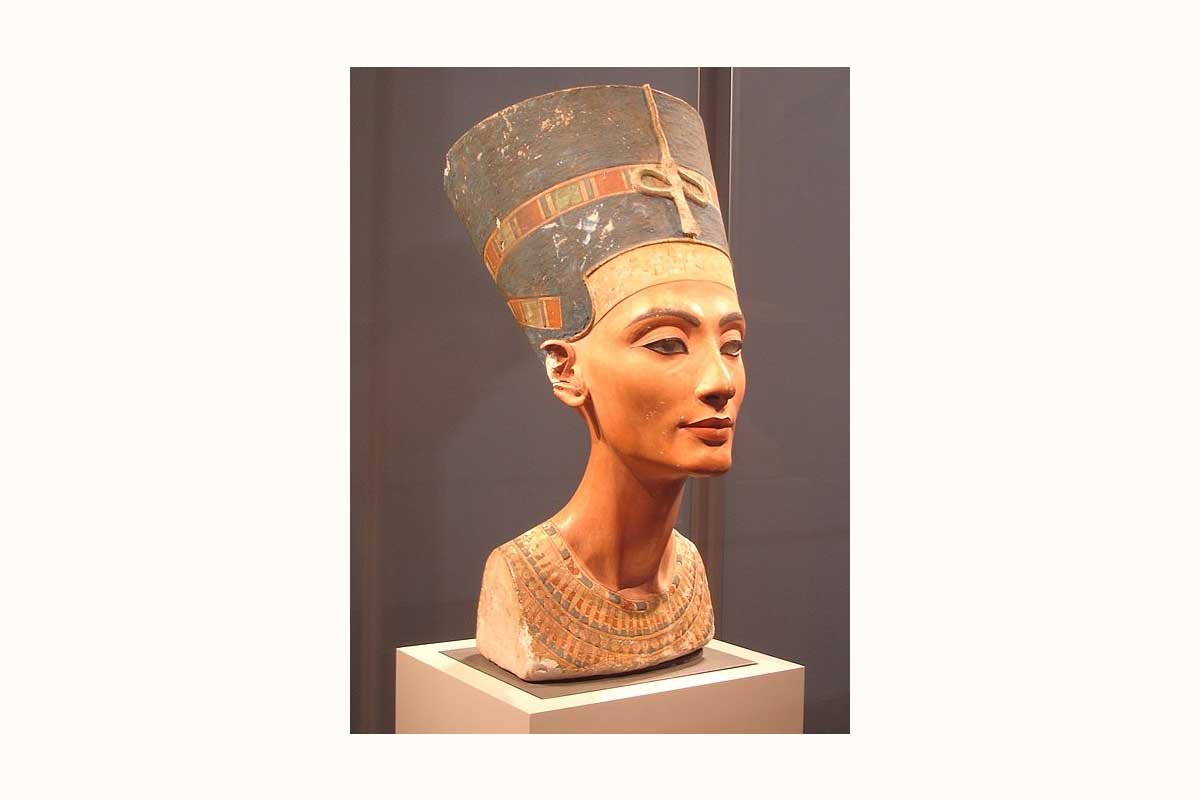
The iconic bust of Nefertiti, part of the Egyptian Museum Berlin collection, currently on display in the Altes Museum.
Not long after, in 9th-century BC Assyria, rulers were shown wearing shawl-like wraps, another proof that some form of fabric around the neck or shoulders had ancient roots.
On the other side of the world, in China, scarves were part of military attire, where simple cloth around the shoulders or neck marked rank: silk for higher officials, cotton for lower.
Interestingly, in ancient Rome, scarves were mostly worn by men. The focale, or sudarium, was a simple cloth used to wipe sweat and stay cool in the heat.
During the Middle Ages, scarves weren’t yet common, but they were still worn - mostly by women who paired them with headwear, for modesty or practical reasons.
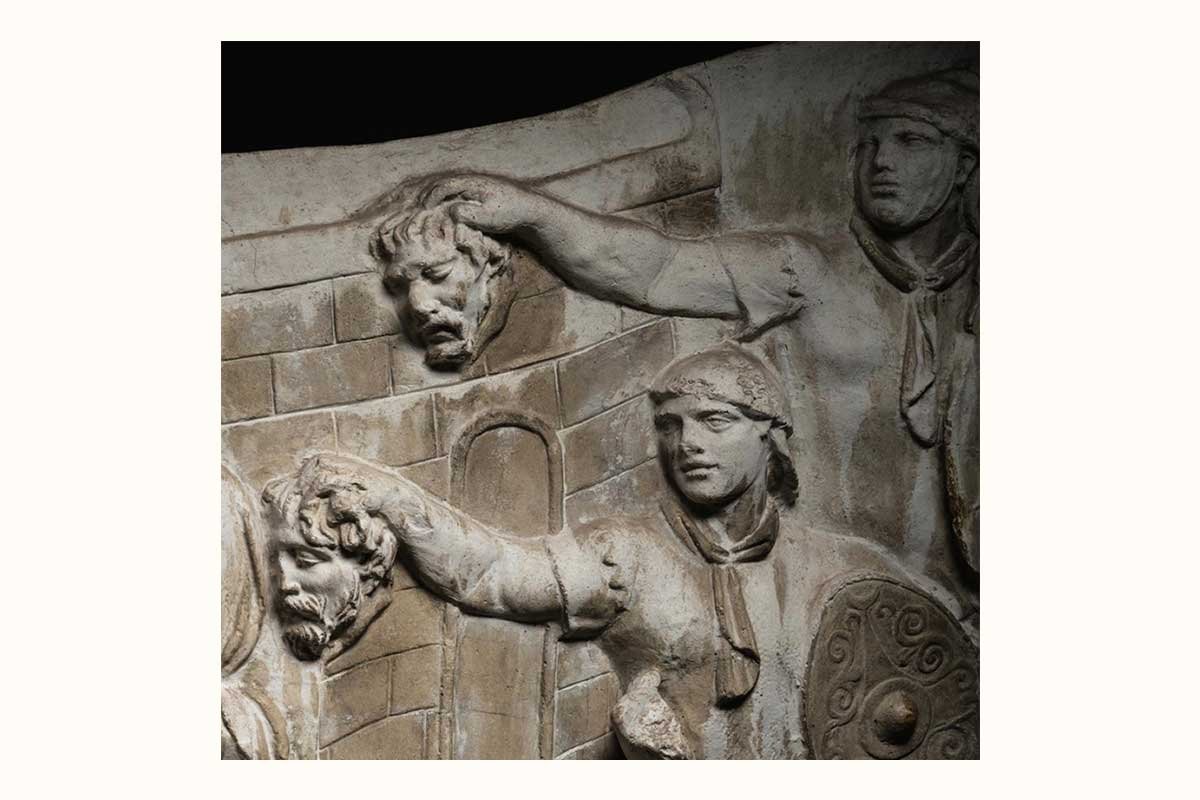
Auxiliaries with focale from Trajan's column, early 2nd century AD / x-legio
Like many other pieces of clothing, military use of the scarf throughout history influenced how we wear it today. Around the 17th century, Croatian soldiers of all ranks wore scarves - silk for officers and cotton for others. Some of these soldiers served as mercenaries with the French, and their scarves were adopted by the French as ‘cravats’ (from the French cravate, meaning ‘Croat’). This style would eventually become the ancestor of the modern necktie. In France, the cravat quickly became a symbol of elegance, and during the French Revolution, men and women even used scarves in different colors to show political support for the ideals of Liberté, Égalité, Fraternité. The French word for ‘scarf’ itself comes from the Croatian kravata, showing just how much influence these soldiers had on European style.
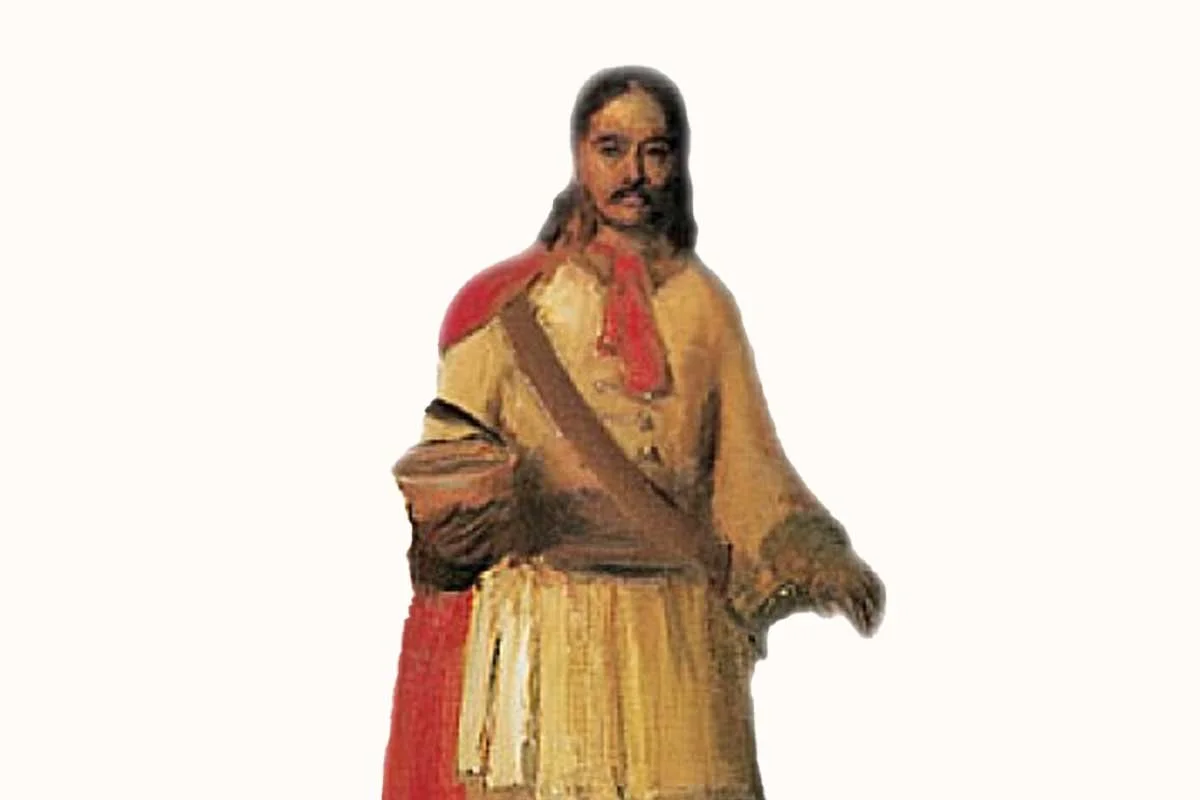
A Croatian soldier wearing a cravat in the 1600s.
When Queen Victoria became queen in 1837, scarves were no longer used just for practical reasons. Silk scarves, in particular, became a way to show luxury and status. By 1901, scarves were a common part of everyday clothing across Europe.
World Wars I and II changed the scarf’s role once again. Although scarves had been popular before, They were once again used as practical garments. Knitting became a patriotic task for many women at home, providing woolen scarves to soldiers on cold frontlines. During that time, pilots wore large silk and wool scarves in open cockpits to stay warm and protect their necks.
Pilot with a scarf / Put this on
The real breakthrough for scarves in the modern era came in 1937, when Hermès created the first printed silk scarf. These luxurious Chinese silk scarves stood out from everything that came before and became very popular with royalty and celebrities. Their silk scarves are still popular today.
From the mid-20th century, scarves became widely available. Cheaper fabrics like rayon and viscose made them affordable, while fabrics such as wool, cotton, and cashmere are the best options to stay warm.
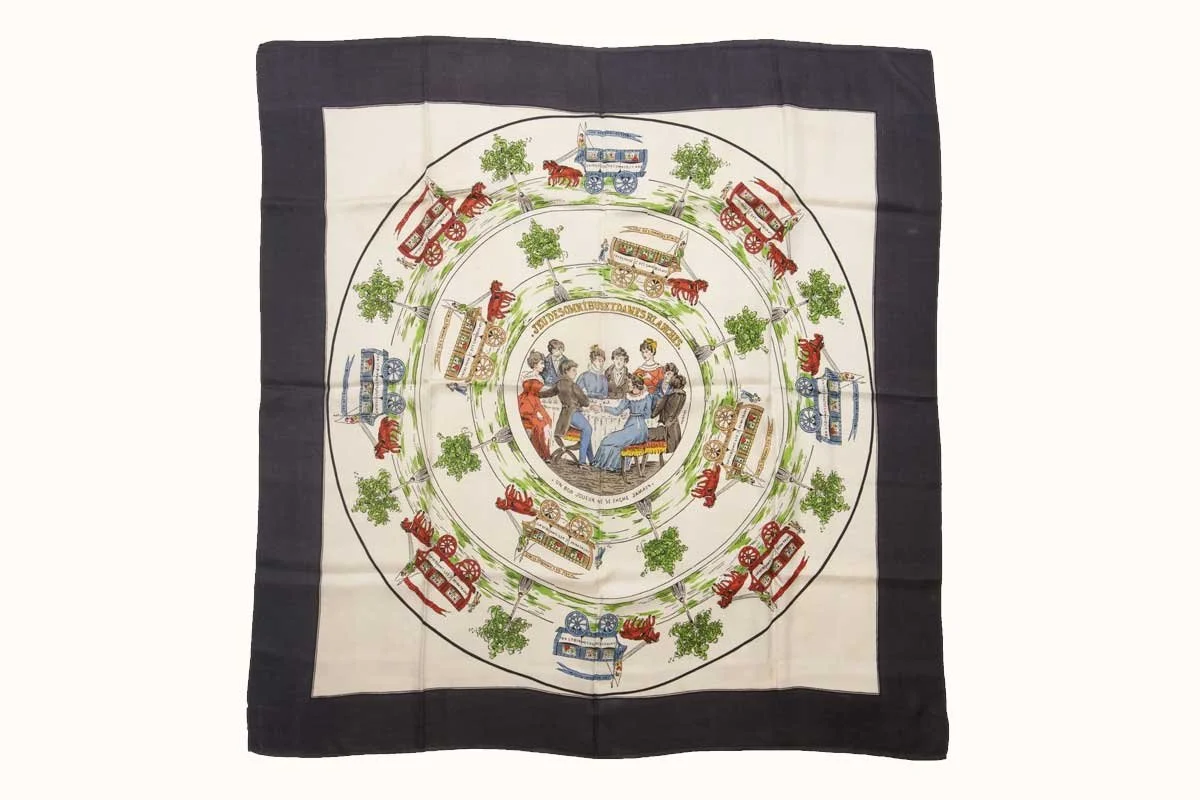
Hermes scarf Jeu des Omnibus 1937 / Bonhams - Cornette de Saint Cyr
Today, scarves are mostly used as a fashion accessory, but during the past few very cold weeks, we were reminded that their main purpose has always been functional.
Here you can find my list of best quality scarves you can buy today.
related articles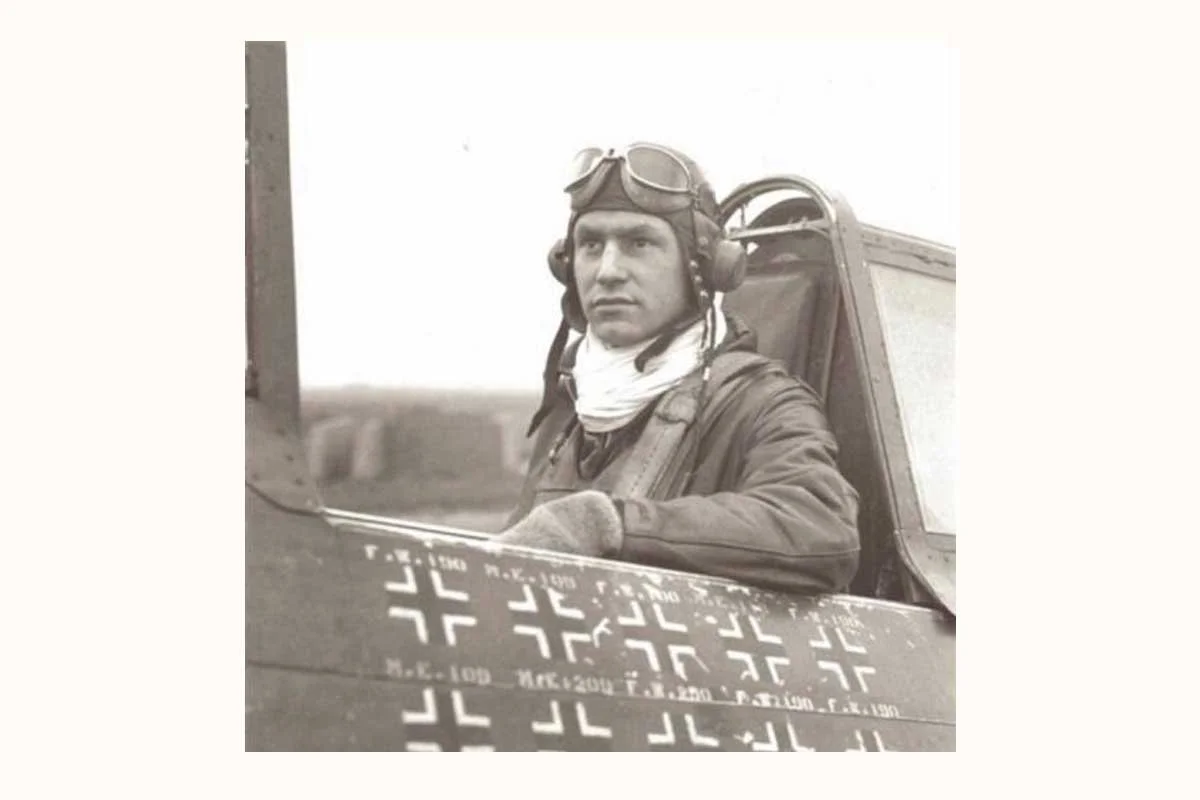


The story of Chelsea boots, from their invention in Victorian England to their role in British style and culture. Nearly two centuries later, they remain one of the most timeless and versatile boots a man can own.